
Gochnatia polymorpha
Gochnatia polymorpha
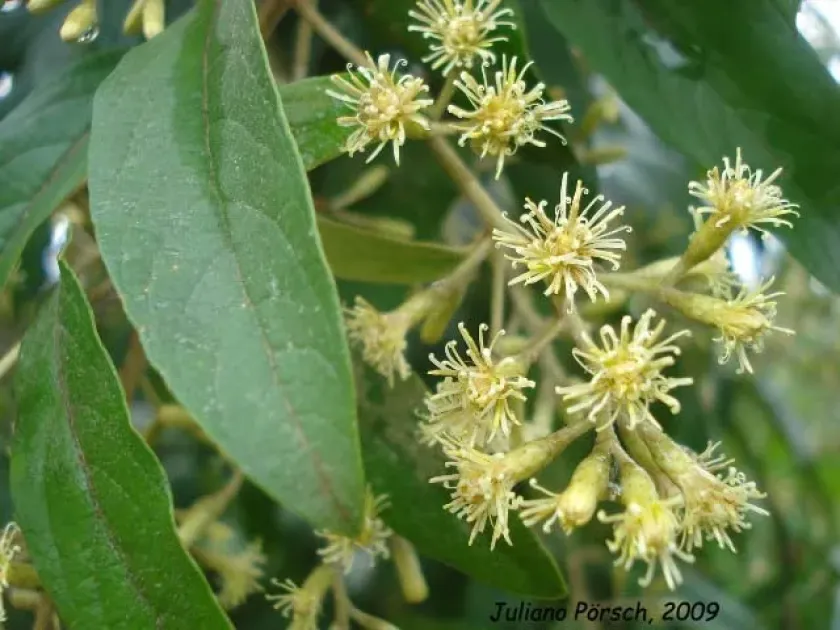
Description
Growing requirements
Gochnatia polymorpha is a woody shrub or small tree belonging to the Asteraceae family. It is widely recognized for its robust morphology and significant ecological presence in the South American landscapes, particularly within the Cerrado biome of Brazil.
The plant is naturally adapted to savanna-like conditions characterized by seasonal drought and high temperatures. In agricultural settings, it requires significant exposure to direct sunlight to ensure proper physiological development and the accumulation of phytochemical compounds.
Soil requirements for this species include well-draining substrates, ideally with an acidic pH. It has evolved to thrive in low-fertility soils, making it a resilient candidate for areas where intensive fertilization is not feasible or desirable for sustainable management.
Water management is critical during the establishment phase. While mature plants show high drought tolerance, young specimens require consistent moisture to develop a strong root system, although they must be protected from waterlogging to prevent root pathogens.
Commercial utilization of Gochnatia polymorpha is primarily focused on its pharmaceutical and therapeutic potential. Extracts from its leaves and bark are studied for their anti-inflammatory and antioxidant properties, which makes the crop valuable for specialized botanical production.