
Berlandiera lyrata
Berlandiera lyrata
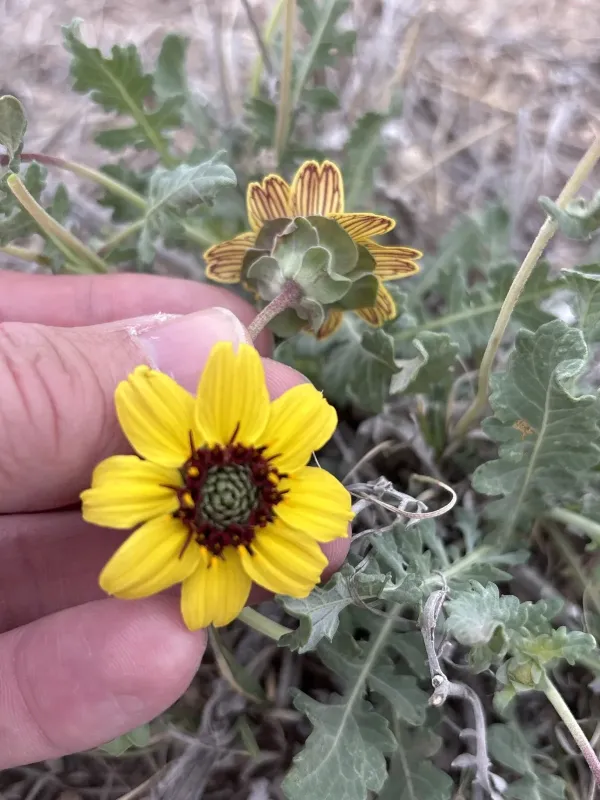
Description
Sowing dates
Berlandiera lyrata, known as the chocolate daisy, is best propagated by seed, with sowing ideally performed in early spring after the risk of hard frost has passed.
For better germination results, seeds often benefit from a short period of cold stratification, imitating natural winter conditions to break seed dormancy.
Seeds should be sown very shallowly on the surface of the soil, as they require light to germinate effectively and should not be covered with a deep layer of substrate.
When starting indoors, maintain a consistent temperature of around 20 degrees Celsius and provide adequate ambient light to prevent leggy seedling growth.
Once seedlings are robust enough to handle, they can be transplanted into their permanent garden location, spaced about 30–40 cm apart to ensure airflow.
Growing requirements
This species belongs to the Asteraceae family and is native to the arid regions of the Southwestern United States and Northern Mexico, indicating a preference for heat.
The plant thrives in full sun exposure, which is critical for maximizing both its structural integrity and the development of its unique chocolate-scented blossoms.
It prefers well-draining, rocky, or gravelly soils with a slightly alkaline to neutral pH, mimicking the poor, sandy conditions of its native habitat.
Water requirements for established plants are minimal, as the species is highly drought-tolerant and performs excellently in low-maintenance xeriscape gardens.
Adequate drainage is paramount to prevent root rot, as the plant is susceptible to damage if water is allowed to pool around the base during dormant months.
Main diseases and pests
The chocolate daisy is generally resistant to pests and diseases, particularly when provided with the hot, dry conditions it prefers for natural growth.
In humid climates or poorly drained soils, the plant may face challenges with powdery mildew, which manifests as a white, dusty coating on the foliage.
Aphids can occasionally cluster on tender new shoots, though they rarely cause significant long-term damage if the plant is healthy and well-located.
Root rot is the most significant threat to this species, usually caused by over-irrigation or soil that remains soggy throughout the winter season.
Regular maintenance, such as removing spent flowers and dead foliage, helps keep the plant vigorous and reduces the risk of sheltering pests or pathogens.
Harvesting
The primary appeal of Berlandiera lyrata is its aromatic qualities, with the yellow flower heads emitting a distinct scent reminiscent of unsweetened cocoa powder.
Flowers are often harvested for decorative purposes in flower arranging or dried for inclusion in natural potpourris and sachets due to their unique scent.
Harvesting should occur during the morning hours when the essential oils are most concentrated, as the fragrance is most intense before the sun reaches its peak.
Drying involves placing the flower heads in a dark, well-ventilated area, ensuring they do not touch to allow proper airflow and prevent fungal spoilage.
Once dried, the flowers retain their aesthetic charm and can be utilized in various artisanal applications, providing a natural scent to indoor environments.