
Trevesia burckii
Trevesia burckii
Description
Growing requirements
Trevesia burckii is an evergreen woody plant belonging to the Araliaceae family. It is native to the tropical forests of Southeast Asia, thriving particularly in the humid environments of the Malay Archipelago and surrounding regions.
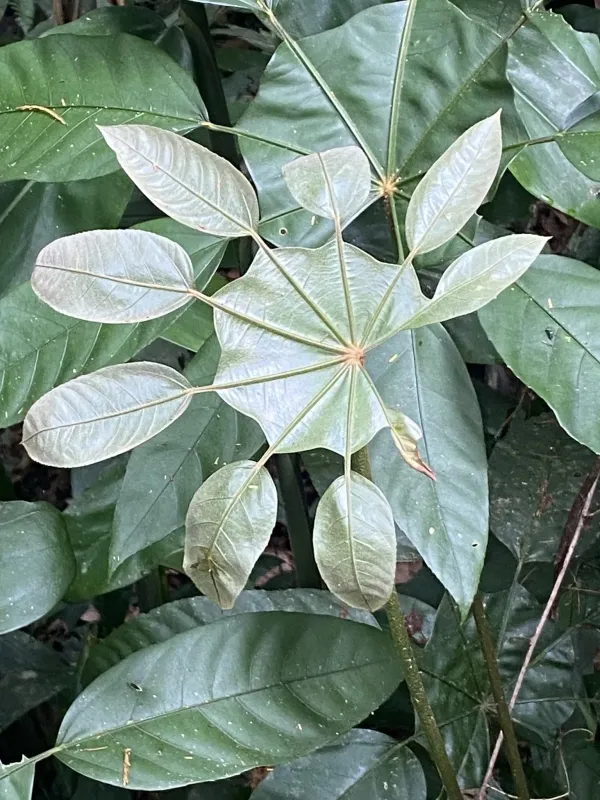
The plant is botanically renowned for its impressive palmately lobed leaves, which display a unique texture and structure. These large leaves serve as efficient light collectors in the dense understory of its natural forest habitat.
Cultivation of Trevesia burckii requires a climate characterized by high humidity and consistent warmth. It is highly sensitive to cold drafts and sudden temperature drops, which can cause significant physiological stress to the plant.
The soil requirements involve a well-draining, nutrient-rich substrate, preferably with a high percentage of organic matter. Proper soil aeration is crucial to prevent root asphyxiation, as the plant is notoriously intolerant of waterlogged soil conditions.
In terms of agricultural and horticultural use, this species is primarily cultivated for aesthetic purposes. It is a prized specimen in botanic gardens and luxury conservatory settings, where its distinct architectural form adds tropical character.
Main diseases and pests
Common pests affecting Trevesia burckii include spider mites, which thrive in indoor environments with low humidity and poor ventilation.
Mealybugs are another frequent threat, often congregating on the undersides of leaves and at the base of the petioles, leading to stunted growth.
Pathogenic root rot occurs predominantly due to over-irrigation or the use of heavy, non-porous potting media that inhibits necessary drainage.
To maintain plant health, it is essential to monitor moisture levels rigorously and ensure that the substrate surface dries slightly between waterings.
Integrated pest management, including physical leaf cleaning and the application of appropriate horticultural treatments, is recommended to manage infestations effectively.