
Trevesia palmata
Trevesia palmata
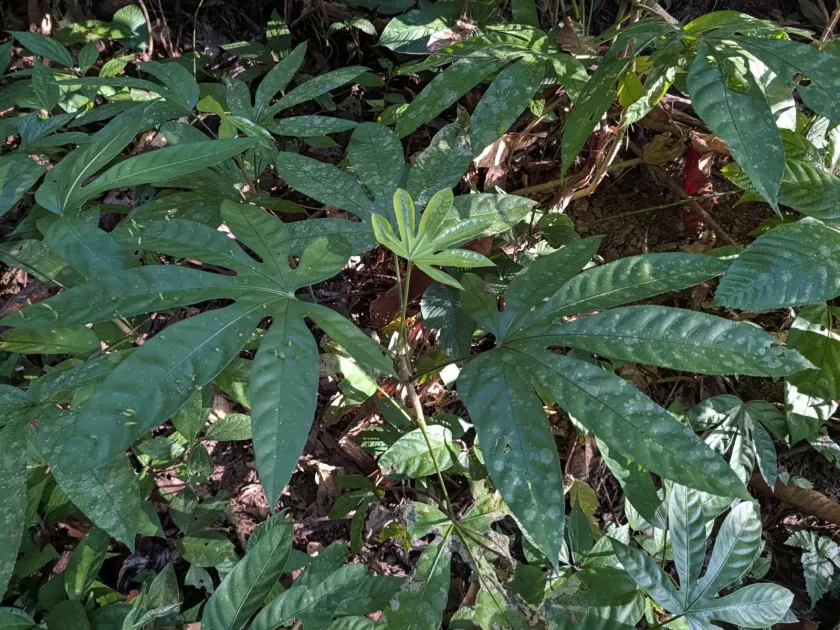
Description
Growing requirements
Trevesia palmata is a tropical evergreen shrub belonging to the Araliaceae family, native to the lush forests of Southeast Asia and Southern China.
It is widely recognized for its impressive foliage, featuring deeply lobed, palmate leaves that can span half a meter, giving the plant a unique architectural appearance.
The plant thrives in warm, humid conditions with an ideal temperature range between 18 and 26 degrees Celsius, making it suitable for greenhouses or warm conservatories.
Optimal growth requires a well-draining, nutrient-rich soil mix that mimics its natural forest floor habitat while preventing waterlogging around the root system.
While it prefers bright, filtered light, it is sensitive to intense direct sunlight, which can cause significant tissue damage and necrosis on the large leaf blades.
Main diseases and pests
Spider mites are the most common pests associated with Trevesia palmata, particularly thriving in environments where indoor humidity levels are allowed to drop.
Scale insects can also infest the stems and undersides of the leaves, requiring prompt manual removal or the application of horticultural oils for effective management.
Overwatering is the primary cause of plant failure, leading to root rot, which typically manifests as yellowing leaves and wilting despite damp soil conditions.
To ensure long-term health, growers must maintain a strict irrigation schedule and ensure that containers have sufficient drainage holes to prevent anaerobic conditions.
Regular monitoring and cleaning of the foliage help to identify pest outbreaks early, ensuring that the plant remains vigorous and aesthetically pleasing throughout the year.