
Neocussonia umbellifera
Neocussonia umbellifera
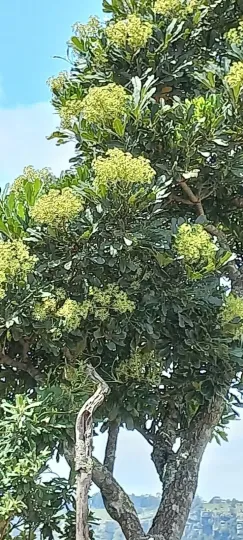
Description
Growing requirements
Neocussonia umbellifera is a notable species belonging to the Araliaceae family. Native to the forested regions of South Africa, this plant is recognized for its unique umbrella-like canopy and robust, woody growth habit.
The species thrives in warm, humid tropical and subtropical environments. It requires protection from frost and freezing temperatures, making it suitable for cultivation in greenhouses or conservatories in regions with cooler climates.
Optimal growth is achieved in well-draining, nutrient-rich soil. A mixture comprising peat, humus, and coarse perlite or sand is recommended to ensure effective drainage and prevent the roots from sitting in stagnant water.
Light requirements are centered on bright, filtered sunlight. While the plant can tolerate partial shade, consistent exposure to strong, direct afternoon sun should be avoided to prevent foliar damage and drying of the leaf margins.
Agricultural management involves regular watering during the active growth phase. The soil should remain consistently moist but not saturated. Fertilization with a balanced liquid feed during the spring and summer supports vigorous leaf development.
Main diseases and pests
The primary threats to Neocussonia umbellifera include root rot, which typically arises from overwatering and poorly draining soil conditions. Ensuring proper aeration of the root system is vital for disease prevention.
Pests such as spider mites and scale insects are common problems in indoor or sheltered environments. These pests thrive in dry air and can cause significant damage to the plant's foliage if not managed early.
Humidity management is essential; too little humidity encourages pest colonization, while too much humidity in stagnant air can promote the growth of fungal pathogens like powdery mildew on the leaf surfaces.
Nutrient deficiencies, specifically nitrogen or magnesium, can occur if the plant is grown in depleted soil. Symptoms typically manifest as chlorosis, where leaves lose their deep green color and turn pale or yellow.
Effective cultural control includes maintaining clean growing conditions, using sterile tools for any necessary pruning, and regularly monitoring the underside of leaves for early signs of infestation to avoid chemical interventions.