
Kalopanax septemlobus
Kalopanax septemlobus (Thunb.) Koidz.
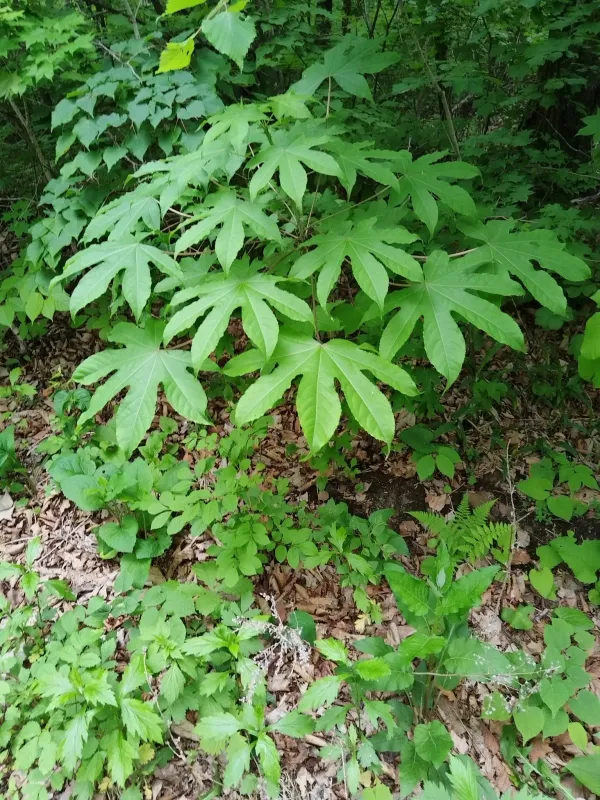
Description
Sowing dates
Propagation of Kalopanax septemlobus, commonly known as the castor aralia, is primarily achieved through seeds which require a prolonged cold stratification period. Seeds should be sown in autumn or artificially stratified at temperatures between +1 and +5 degrees Celsius for 4 to 6 months.
In nursery settings, seeds are sown in rows spaced 20–25 centimeters apart to provide sufficient room for seedling development. The planting depth should be kept shallow, approximately 1–2 centimeters, to facilitate successful germination and emergence.
Spring sowing of stratified seeds should occur as soon as soil temperatures reach 8–10 degrees Celsius. Maintaining consistent moisture in the seedbed is critical during the germination phase to ensure a high and uniform success rate among the seedlings.
Alternatively, root cuttings can be utilized for propagation during the plant's dormant season. This method allows for the replication of specific genetic traits and provides a more rapid means of establishing new plantations for industrial purposes.
Young plants are sensitive to direct sunlight during their first year and require shading to thrive. Protecting the seedlings from excessive heat and drying winds is essential to foster the development of a robust root system and strong main stem.
Growing requirements
Kalopanax belongs to the Araliaceae family and is a deciduous tree capable of reaching heights of 25–30 meters in optimal conditions. It thrives best in deep, fertile, and well-drained loamy soils with adequate moisture retention throughout the year.
Site selection is vital, as the species prefers locations protected from harsh, cold winds. While mature trees are moderately frost-hardy, younger specimens may suffer damage from unexpected spring frosts, which can impact the development of new foliage.
The cultural environment should mirror its native temperate forest habitat, offering adequate humidity. In regions with lower rainfall, implementing a professional irrigation system is recommended to maintain the vigor and health of the tree throughout the growing season.
Agronomic management includes frequent light tilling of the soil around the base, as the tree performs poorly in compacted ground. Applying organic mulch around the root zone helps conserve soil moisture and suppresses weed competition effectively.
Fertilization with organic compost in early spring encourages vigorous shoot development. A balanced approach to nutrient management is essential for producing timber that meets high industrial standards for quality and structural integrity.
Yield
The primary economic focus for cultivating Kalopanax septemlobus is the production of high-quality timber. Known for being strong, lightweight, and possessing a beautiful grain, the wood is highly sought after for fine furniture and interior cabinetry.
The timber is also utilized in specialized industries such as aircraft manufacturing, sports equipment production, and high-end joinery. Trees typically reach the stage suitable for selective harvesting within 40 to 50 years under proper management.
As a late-season honey plant, the species provides a critical nectar source for bees during a time when many other nectar-producing crops have finished blooming. This makes it a valuable asset for integrated agroforestry and apiculture operations.
The tree also serves as an ornamental specimen in landscaping due to its striking, exotic appearance. Its adaptability to urban conditions increases its value for municipal park planning and large-scale landscape architectural projects.
Pharmaceutical industries explore various parts of the tree, including the bark and leaves, as sources of bioactive compounds. Harvesting for medicinal purposes requires strict adherence to sustainable practices to preserve the long-term health of the plantation.
Main diseases and pests
While generally resistant to most pests and diseases, the castor aralia can be susceptible to fungal leaf spots if grown in environments with poor air circulation or excessive moisture. Fungicide applications may be necessary during severe outbreaks.
Pests such as aphids and certain defoliating insects may threaten young seedlings. Regular monitoring of the foliage during the spring and summer months allows for timely intervention and helps mitigate damage to the plant's developmental vigor.
Root rot represents a significant risk if the drainage on the plantation site is inadequate. Ensuring that water does not pool around the base of the trunk is crucial to prevent the onset of soil-borne pathogens that thrive in waterlogged conditions.
Mechanical injuries to the bark provide entry points for disease. Proper pruning techniques and the immediate application of sealants to any cuts are necessary to prevent infection and encourage rapid healing of the tree’s internal tissues.
Over-application of nitrogen-based fertilizers can compromise the tree's natural immunity, making it more vulnerable to secondary infections. Maintaining a balanced nutrient regimen is key to ensuring the long-term health and disease resistance of the crop.
Harvesting
Timber harvesting should occur during the dormant winter period when sap flow is at its minimum. This timing ensures the highest quality wood, reducing the risk of warping or cracking during the drying and processing phases of production.
Medicinal raw materials such as leaves and bark should be harvested during peak activity cycles to maximize the concentration of active compounds. Sustainable harvesting methods are paramount to ensure the longevity of the individual tree.
Seed collection is performed once the fruits have fully ripened and turned dark. Immediate post-harvest cleaning of the seeds to remove pulp is necessary to prevent spoilage and prepare the seeds for the required cold stratification process.
Industrial harvesting operations must prioritize efficient transportation to prevent bark stripping or trunk damage. Modern harvesting equipment allows for precise extraction while maintaining the ecological balance of the surrounding forested area.
Following any harvesting or pruning activity, the site should be thoroughly cleaned of debris. Proper sanitation reduces the risk of pest and disease outbreaks, creating a clean environment for the next cycle of growth or replanting efforts.