
Rhodospatha oblongata
Rhodospatha oblongata
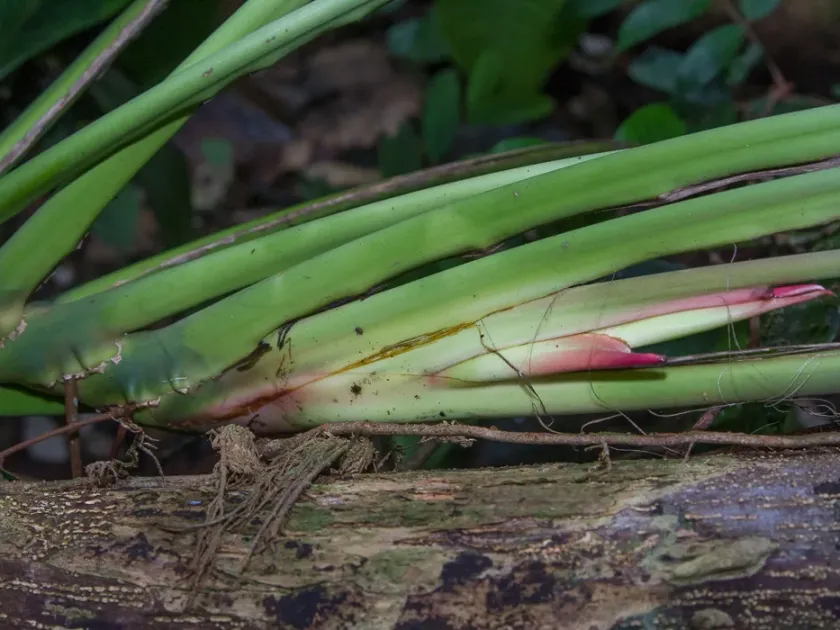
Description
Growing requirements
Rhodospatha oblongata is a perennial evergreen plant belonging to the Araceae family. This species originates from the tropical rainforests of Central and South America, where it thrives as an epiphytic climber in the dense canopy shade.
Botanically, the plant is characterized by its elongated, leathery leaves and a creeping or climbing stem structure. It utilizes its aerial roots to anchor onto trees and absorb essential moisture directly from the humid tropical atmosphere.
Cultivation requires a stable, warm climate with temperatures consistently ranging between 22 and 28 degrees Celsius. Protection from cold drafts is essential, as the species is highly sensitive to temperature fluctuations and lacks winter hardiness.
The growing medium must be highly porous and well-draining to facilitate root aeration. A mix consisting of orchid bark, peat moss, and perlite provides the optimal environment, mimicking the natural debris-rich soil found in tropical forests.
Bright, indirect light is necessary for healthy development. While Rhodospatha oblongata can tolerate lower light levels, excessive exposure to direct sunlight will scorch the leaves and impede the plant's natural growth rate.
Main diseases and pests
Common pests affecting Rhodospatha oblongata include spider mites, which thrive in environments with low humidity. Scale insects and mealybugs can also pose a significant threat by sap-sucking, which leads to stunted plant growth and leaf yellowing.
Fungal diseases are often the result of improper watering practices, specifically waterlogging the substrate. Root rot, caused by various pathogens like Phytophthora, frequently occurs when the root system remains in stagnant moisture for extended periods.
Leaf spots are often symptomatic of bacterial infections or fungal pathogens fostered by poor air circulation. Improving ventilation around the foliage and maintaining a clean growing area are the most effective preventative measures against these issues.
Chemical control via systemic insecticides or fungicides should be applied cautiously, following the manufacturer's recommendations. Integrated pest management, focusing on biological controls and environmental optimization, is preferred for indoor cultivation.
Routine inspection of the undersides of the leaves is critical for early detection of infestations. Timely removal of affected plant parts and application of horticultural soap can often resolve minor outbreaks without the need for harsh chemicals.