
Mouse-tail plant
Arisarum proboscideum
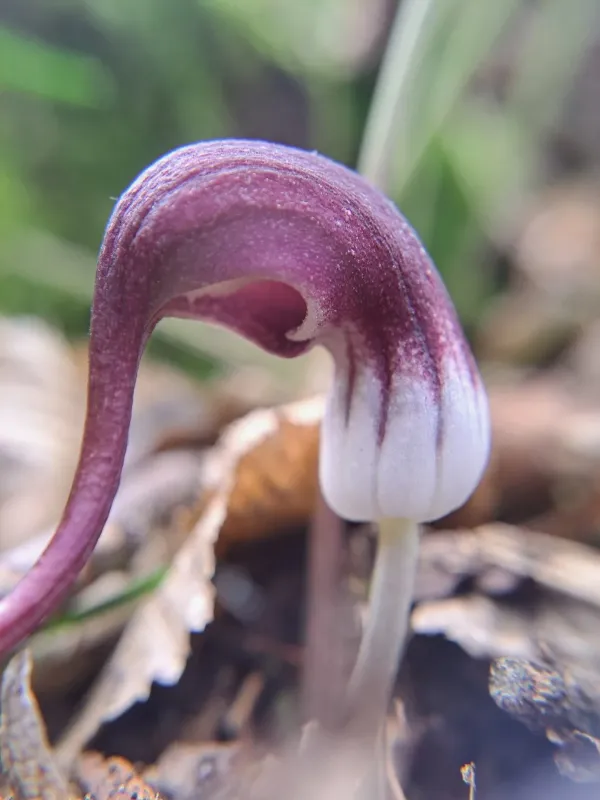
Description
Growing requirements
The mouse-tail plant, scientifically known as Arisarum proboscideum, belongs to the Araceae family. It is a tuberous perennial native to the Mediterranean region, where it naturally occurs in damp, shaded habitats under forest canopies or amongst rocky outcrops.
This species requires deep shade or partial shade to thrive. Direct exposure to intense sunlight, especially during the middle of the day, can cause severe scorch to its foliage, which is the plant's primary ornamental feature before the flowers emerge.
Soil requirements for this plant are specific: it prefers rich, humus-based, and consistently moist soil that provides excellent drainage. Sandy or loamy soils enriched with leaf mold create the ideal environment for the tubers to expand and multiply over several years.
Arisarum proboscideum undergoes a dormant phase during the hot, dry summer months. During this period, the foliage dies back completely, and the tuber remains inactive in the soil. Gardeners should ensure the site remains undisturbed during this time.
Cultivation in containers is often recommended for cooler climates to ensure proper winter protection. In garden settings, a layer of winter mulch can protect the shallow tubers from severe freezing temperatures, allowing the plant to emerge reliably in the following spring.
Main diseases and pests
The primary horticultural challenge with mouse-tail plants is the susceptibility to root rot. This condition is almost exclusively linked to poor drainage or excessive soil moisture during the plant's dormant cycle, leading to the rapid decay of the tubers.
Slugs and snails are the most prominent biological pests that can devastate the lush leaves of the plant. These gastropods are particularly attracted to the soft, moisture-rich tissue of the plant during the early spring growth period.
To mitigate the risk of pests, many gardeners use physical barriers like copper tape or crushed eggshells around the perimeter of the plants. Regular monitoring of the foliage helps detect early signs of herbivory, allowing for prompt intervention before damage spreads.
Fungal infections can also occur if the foliage remains wet for extended periods in high humidity. Promoting air circulation around the plants and avoiding overhead watering can significantly reduce the incidence of leaf spots and mildews.
By mimicking the natural woodland conditions—specifically stable, moist, and well-drained soil—gardeners can minimize the need for chemical intervention. Healthy specimens in appropriate environments typically show robust growth and minimal long-term pest issues.