
Arisarum
Arisarum hybrids
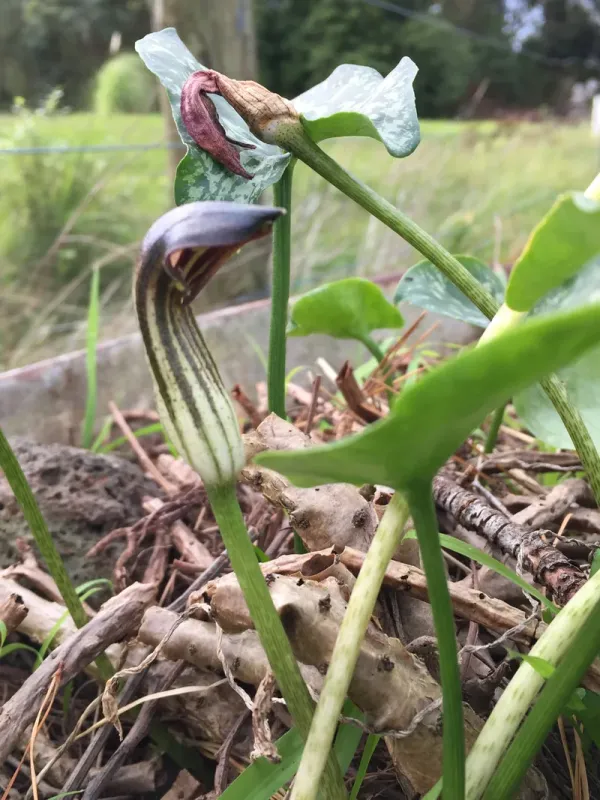
Description
Growing requirements
Arisarum is a genus of perennial herbaceous plants belonging to the Araceae family, known for its distinctive and exotic morphology. These plants develop from underground tubers, producing attractive foliage and unique, hooded inflorescences commonly referred to as jack-in-the-pulpit or mouse-tail flowers. They are highly sought after by collectors of unusual botanical specimens.
The natural habitat of Arisarum species is primarily found in the Mediterranean basin, North Africa, and the Canary Islands. Because of this origin, they thrive in climates with mild, moist winters and dry, warm summers. When cultivating these plants in garden settings, it is essential to replicate these environmental conditions to ensure healthy growth and flowering.
Soil requirements are critical for the survival of the plant; they need a well-draining, loose, and organic-rich medium. Waterlogging is the primary cause of failure, so incorporating perlite, coarse sand, or grit into the soil mix is highly recommended. The pH level should ideally be neutral or slightly acidic, allowing for optimal nutrient uptake throughout the growing season.
In terms of agricultural and horticultural use, Arisarum is strictly an ornamental crop. It is perfect for shaded rock gardens, woodland borders, or container gardening where its peculiar structure can be closely observed. It is not suitable for mass production but serves as a focal point in specialized landscapes where a touch of exoticism is desired.
Cultural practices involve managing the dormancy cycle correctly. Plants require regular moisture during their growing season in late winter and spring. Once the foliage turns yellow and dies back as summer approaches, all irrigation must cease to prevent tuber rot. Providing a dry, dormant period is the most important factor in the successful cultivation of these aroid plants.
Main diseases and pests
The most significant threats to Arisarum involve various forms of rot caused by fungi and bacteria when the soil remains too wet during the dormant season. Tubers can disintegrate rapidly if drainage is insufficient or if late-season rains keep the soil saturated. Careful monitoring of soil moisture is vital for preventing the loss of the plant population.
Pest issues include typical garden intruders like slugs and snails, which can skeletonize the leaves in a single night. Protective measures such as copper tape barriers or baiting are often necessary in moist environments. Occasionally, aphids may infest the inflorescences during the peak spring growth, requiring gentle intervention with horticultural soaps or manual removal.