
Arisarum simorrhinum
Arisarum simorrhinum
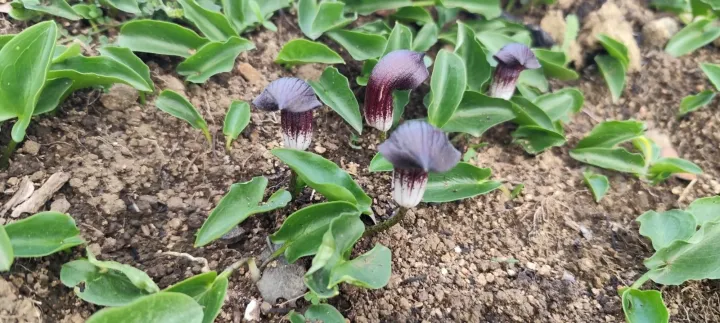
Description
Growing requirements
Arisarum simorrhinum is a member of the Araceae family. It is a tuberous herbaceous perennial that thrives in the mild environments characteristic of the Mediterranean Basin, including the Iberian Peninsula and parts of North Africa.
The plant exhibits a distinct botanical structure, featuring a spathe that forms a characteristic hood over the spadix. This adaptation serves as a protective mechanism for its small flowers, which are typical of the Arisarum genus.
Regarding soil requirements, this crop favors well-drained, humus-rich loamy substrates. It does not tolerate waterlogging, as the tubers are highly susceptible to root rot if the growing medium remains stagnant and overly saturated.
Climate preferences for the species include shaded or semi-shaded environments, mimicking the understory habitats where it naturally occurs. It performs best in regions with mild, frost-free winters and avoids intense, direct summer sun.
For successful cultivation, maintaining consistent but moderate moisture levels during the growing season is essential. As the plant enters dormancy in summer, water intake should be significantly reduced to prevent tuber decay.
Main diseases and pests
Root rot is the primary physiological and pathological threat to this culture. Ensuring adequate drainage at the bottom of the container or planting site is the most effective preventative measure against fungal development.
Slugs and snails are the most common pests that pose a threat to the foliage. These mollusks can cause significant defoliation, particularly during the early stages of the growth cycle in the spring.
In indoor or greenhouse settings, aphids can colonize the developing inflorescences. Early detection and the application of mild soaps or specialized insecticides can prevent major infestations and plant stress.
Fungal leaf spot diseases may occasionally affect the plant if ventilation is insufficient. Providing good air circulation is a critical requirement for maintaining a healthy and disease-free plant population.
It is important to handle all parts of the plant with care, as like many other aroids, it contains calcium oxalate crystals which can cause irritation to skin and mucous membranes upon direct contact.