
Ambrosina bassii
Ambrosina bassii
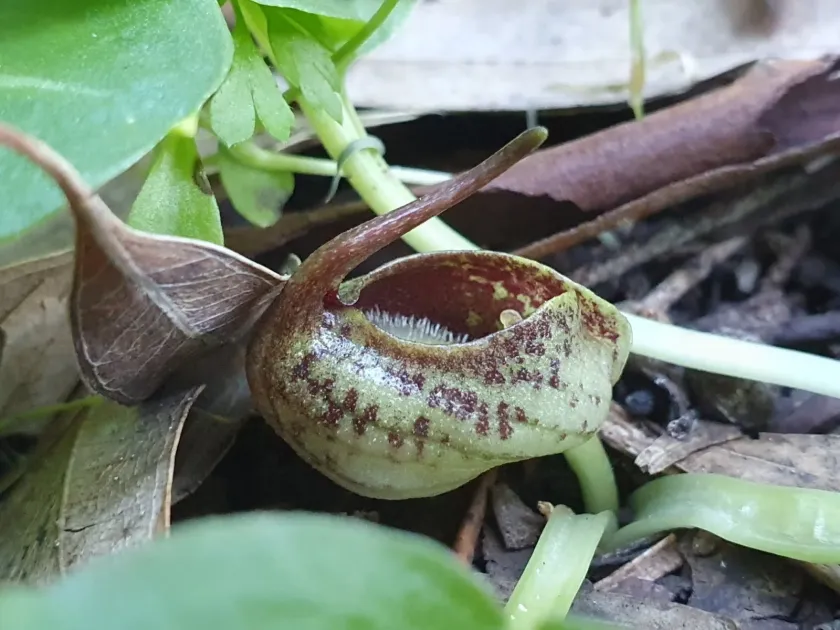
Description
Growing requirements
Ambrosina bassii is a unique monotypic plant species belonging to the Araceae family. Native to the western Mediterranean, it is primarily found in Sardinia, Sicily, and parts of North Africa, where it thrives in specific ecological niches.
This culture is characterized by a specialized life cycle adapted to the Mediterranean climate. It prefers shaded or semi-shaded environments with moderate moisture during the active growth phase and a distinct dry rest period during the summer months.
Botanically, Ambrosina is known for its miniature size and subterranean tuberous rhizome. The leaves emerge directly from the tuber and exhibit a distinctive cordate shape, making the species highly sought after by collectors of exotic aroids.
In cultivation, this plant requires a loose, well-draining substrate rich in organic matter. Maintaining a slightly acidic to neutral soil pH is crucial to mimic the natural forest floor conditions necessary for healthy root development.
Agronomic management requires strict adherence to temperature regimes, focusing on cool winter conditions and protection from direct sunlight. Preventing waterlogging is essential, as the tubers are highly susceptible to decay in stagnant water conditions.
Main diseases and pests
The primary threats to Ambrosina bassii in cultivation are fungal diseases caused by excessive substrate moisture. Root rot is the most common issue and can lead to rapid deterioration of the plant's underground structures.
Among pests, soil-dwelling insects such as fungus gnat larvae pose the greatest danger by feeding on the root system. Additionally, spider mites can become an issue in greenhouse environments with low humidity levels.
Effective management relies on preventative measures, including substrate sterilization and ensuring adequate ventilation. Fungicides should be applied with caution, favoring systemic options only when clear symptoms of infection are observed.
Disrupting the natural dormancy cycle significantly reduces the plant's resistance to pathogens. Proper care ensures the plant enters a dormant phase, allowing it to recover and strengthen its natural defenses for the next season.
Biological control methods are recommended for managing pest populations, as the plant can be sensitive to aggressive chemical treatments often used in standard agricultural practices.