
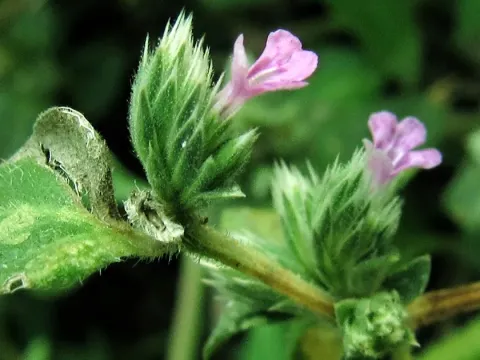
Justicia diffusa
Justicia diffusa
Sowing time for Justicia diffusa is dictated by its tropical origin. In controlled greenhouse environments, seeds should be sown in early spring, keeping the substrate at a constant temperature of +20...+22°C.
What the section contains
Justicia diffusa
Successful germination requires high ambient humidity and a well-aerated, humus-rich substrate to ensure the initial development of vigorous seedlings.
In tropical open-field conditions, transplanting should ideally follow the rainy season to allow young plants to establish themselves without the stress of excessive moisture.
Spacing is a critical factor; due to its diffuse growth habit, the plant requires ample space to spread, which prevents overcrowding and competition for nutrients.
Pre-sowing treatment, including soaking seeds in plant growth stimulants, can significantly improve germination rates, which might otherwise be inconsistent in various soil conditions.
As a member of the Acanthaceae family, Justicia diffusa is highly sensitive to cold and requires a consistent tropical temperature range to thrive throughout its vegetative cycle.
The ideal soil for this crop is well-drained and fertile with a neutral or slightly acidic pH. Waterlogging must be strictly avoided, as it can cause rapid root degradation.
The species prefers diffused or filtered sunlight. Direct exposure to intense midday sun can lead to leaf scorching and physiological stress, reducing overall biomass quality.
Air humidity plays a vital role in the plant's development. In arid environments, supplemental irrigation or misting systems are necessary to maintain the plant's health and vigor.
Regular fertilization with organic nutrients during the peak growth period is essential for maintaining plant vitality and maximizing the potential for multiple harvests.
The yield of Justicia diffusa is calculated based on the weight of harvested dry biomass per unit area, varying significantly depending on the intensity of the agricultural practices used.
With proper crop management, it is possible to achieve multiple harvests in a single season, provided the plant is given sufficient recovery time between cuttings.
Optimal planting density is essential for yield optimization, ensuring that every plant has adequate access to light, water, and soil minerals to support consistent vegetative growth.
The commercial quality of the crop depends heavily on the timing of the harvest relative to the plant's physiological stages to ensure maximum concentration of active substances.
Data tracking throughout the growth cycle allows farmers to adjust irrigation and nutritional inputs, ensuring that the production remains sustainable and profitable over time.
The primary threats to Justicia diffusa are fungal diseases, such as root rot and gray mold, which thrive in conditions of high humidity and poor ventilation within greenhouse settings.
Common pests include spider mites and whiteflies, which feed on the sap of the plant, often leading to stunted growth and a significant reduction in the quality of the raw material.
Implementing biological control methods is a preferred strategy for pest management, as these options offer effective results without leaving chemical residues on the plant material.
Proactive cultural practices, such as removing affected plant parts and monitoring humidity levels, are the most effective ways to prevent large-scale infection outbreaks.
Systematic inspection of the crops is necessary to detect early signs of infestation, allowing for quick localized interventions before the problem spreads to adjacent rows.
Harvesting should occur when the concentration of key phytochemicals reaches its peak, which is typically observed at the onset of the flowering stage.
Using clean, sharp tools for harvesting is essential to minimize plant injury and ensure rapid regeneration of new shoots for future harvests throughout the growing season.
Post-harvest processing involves immediate drying in shaded, well-ventilated areas at temperatures not exceeding +40°C to preserve the chemical integrity of the harvested biomass.
After drying, the material must be carefully sorted and cleaned of any impurities to meet quality standards and ensure the highest market value for the final product.
Proper storage in moisture-resistant and light-protected containers is crucial to maintain the quality and shelf-life of the harvested Justicia diffusa material.