
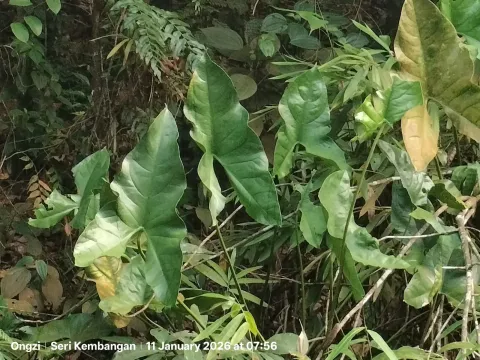
Cyrtosperma merkusii
Cyrtosperma merkusii
Cyrtosperma merkusii, commonly known as giant swamp taro, is a perennial plant belonging to the Araceae family. It is predominantly cultivated through vegetative propagation, as seed production is not a reliable method for large-scale agricultural operations.
What the section contains
Cyrtosperma merkusii
Propagation is achieved by utilizing small cormels or segments of the rhizome. These are planted in moist, nutrient-rich soil, preferably at the onset of the wet season, which provides the high humidity and hydration necessary for successful initial growth.
The planting depth is typically around 10 to 15 centimeters. Ensuring proper spacing, usually 60 to 80 centimeters apart, is essential to allow the plant to develop its large, iconic leaf structure without excessive competition for resources.
Once planted, the cormels require a consistent moisture level to initiate root formation. The establishment phase can last several weeks, and any significant drying of the soil during this period can lead to crop failure or severely stunted growth.
Agronomists suggest preparing the field by clearing debris and ensuring the soil is pre-saturated. This establishes a favorable micro-environment for the rhizomes to begin their slow, steady development towards maturity.
Giant swamp taro thrives in a tropical climate with consistent temperatures ranging from +25 to +32 degrees Celsius. It is highly sensitive to cold and does not tolerate any form of frost, which can permanently damage the plant tissue.
As the name suggests, water is a critical requirement. The plant grows best in swampy or waterlogged conditions. The soil should be high in organic matter, such as alluvial silts or peat, which helps maintain the necessary hydration levels.
Although the plant loves water, stagnant conditions can occasionally lead to issues if the water is not fresh. Ideally, the water should be slow-moving or periodically refreshed to prevent the buildup of anaerobic conditions that might trigger root rot.
Light requirements involve bright but filtered sunlight. Direct, intense exposure during the hottest hours of the day can scorch the broad leaves, so cultivation under a light canopy or intercropping with larger trees is a common, effective practice.
Soil pH should ideally be neutral or slightly acidic. Since the plant is often grown in low-lying coastal areas, salinity tolerance is a unique trait that makes this crop highly valuable in regions where other staples would fail.
The maturation period for Cyrtosperma merkusii is significantly longer than other root crops, often ranging from 1 to 3 years. This extended period is necessary for the rhizome to reach its full size and develop its dense, starch-filled texture.
Yield varies depending on soil fertility and water quality. Under optimal conditions, the plant can produce massive underground rhizomes that serve as a reliable food source for local communities, offering high calorie density per unit of area.
Beyond the primary rhizome, the petioles and leaves are also edible if cooked thoroughly, maximizing the total nutritional output of the crop. This makes it an efficient plant for sustainable subsistence and local market gardening.
To maximize yields, organic fertilization with compost or silt-rich sediment is recommended. This provides the nitrogen and micronutrients required to sustain the massive growth of the vegetative structure, which drives the development of the root.
Pruning is often practiced to remove necrotic or diseased foliage, ensuring that energy remains focused on the underground rhizome expansion rather than maintaining damaged leaves.
The most significant threat to giant swamp taro is fungal rot, specifically targeting the root system in overly saturated conditions. If the water quality is poor, pathogens can spread rapidly, leading to the decay of the entire crop.
Insect pests, including various caterpillars and beetles, can cause extensive damage to the foliage. While these pests rarely kill the plant, they reduce the photosynthetic area, which directly correlates to a lower starch accumulation in the rhizomes.
Viral infections can lead to mosaic-like patterns on leaves and reduced growth rates. As there are no chemical cures for these viruses, prevention through the selection of healthy propagation material is the primary management strategy.
Spider mites can also be an issue during unexpected dry spells. These pests suck cell sap, causing yellowing and weakening of the plant, which makes it more susceptible to further opportunistic infections.
- Regular monitoring of the leaf surface for pest activity.
- Maintaining proper water circulation to avoid anaerobic conditions.
- Using crop rotation where possible to interrupt pest lifecycles.
- Rigorous selection of disease-free corms for new planting cycles.
Harvesting Cyrtosperma merkusii is a labor-intensive process due to the size of the mature rhizomes and the heavy, saturated soil they grow in. Manual extraction using long, sturdy tools is the most common method employed by farmers.
Harvest timing is dictated by the plant’s appearance; a cessation of new leaf growth and yellowing of the older foliage signal that the plant has reached its maximum starch content and is entering a phase of senescence.
After removal from the soil, the rhizomes are cleaned of silt and debris. Because of the presence of calcium oxalate crystals, the raw material is inedible and requires extensive boiling or steaming to become safe for consumption.
Storage of the harvested crop is limited, as the high water content of the rhizomes makes them prone to spoilage if not processed or sold quickly. Preservation methods like drying or fermentation are sometimes used by local communities.
Farmers usually select the largest, most vibrant cormels from the harvested plant to be used as planting stock for the next generation, ensuring the long-term continuity of the crop in the field.