
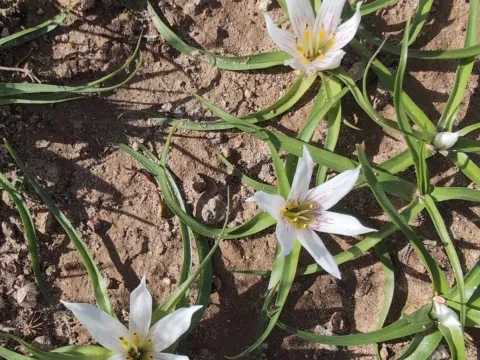
Androcymbium
Androcymbium
Androcymbium is a genus of perennial herbaceous bulbous plants belonging to the Colchicaceae family. These plants are primarily native to Southern Africa and parts of the Mediterranean, where they have evolved to thrive in arid environments with distinct wet and dry seasons.
What the section contains
Androcymbium
Botanically, the plant is characterized by its storage bulb, which allows it to remain dormant during periods of drought. The foliage typically grows in a rosette, while the inflorescences are often sheltered by colorful bracts, making the plant a unique specimen for botanical collections and specialized landscaping.
In terms of soil requirements, Androcymbium demands extremely well-drained conditions. Sandy or gritty soil mixes are ideal to ensure that moisture does not accumulate around the bulb. The soil pH should be neutral to slightly alkaline to support healthy root development and nutrient uptake.
Climate requirements for this culture include exposure to full sunlight to ensure proper flowering and stem strength. Because the plant is adapted to Mediterranean-like climates, it requires a warm, sunny growing season and a dry, dormant period during which the bulb rests without any irrigation.
Agricultural management requires careful attention to the irrigation schedule. Water should only be provided when active growth is visible. Overwatering is the most common cause of crop failure, as the bulbs are highly susceptible to decay if the substrate remains saturated for an extended period.
The primary threats to Androcymbium cultivation are fungal pathogens that cause bulb and root rot. High humidity combined with poor airflow can lead to rapid colonization of the plant tissue by mold and bacteria, causing the plant to collapse quickly.
Pests such as spider mites or mealybugs may occur, particularly if the plant is grown in greenhouse conditions with inadequate ventilation. Maintaining a strict hygiene protocol and ensuring proper air circulation are critical to preventing and managing these typical plant health challenges.