
Semenov fir
Abies sibirica Ledeb. subsp. semenovii (B. Fedtsch.) Farjon
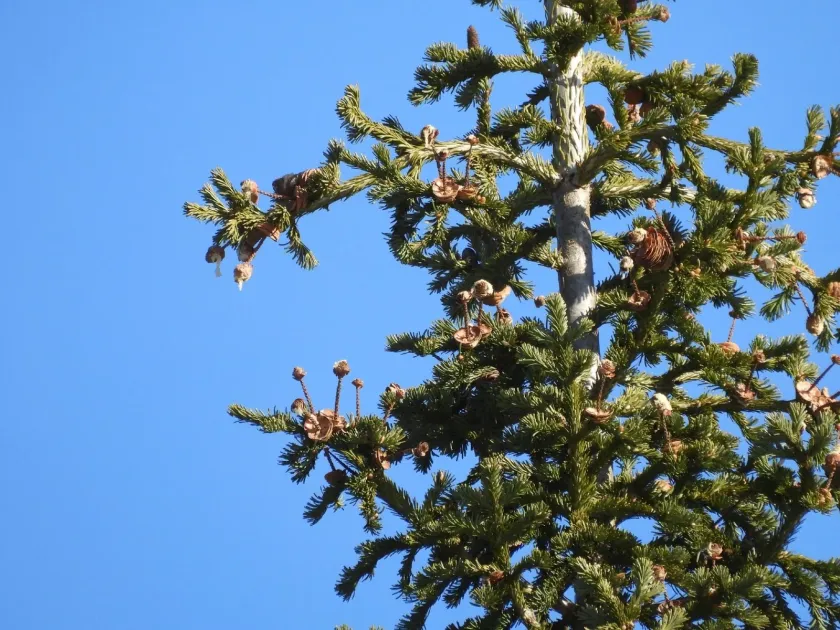
Description
Growing requirements
Semenov fir (Abies sibirica Ledeb. subsp. semenovii) is a distinct subspecies of the Pinaceae family, native to the high-altitude forests of the Tian Shan mountains. This evergreen conifer is highly valued for its elegant, narrow pyramidal habit and its ecological resilience in mountainous terrain.
The cultural requirements for Semenov fir include deep, nutrient-rich, and well-drained loamy soils. The species is highly sensitive to soil compaction and waterlogging, so site selection should prioritize slopes or well-drained areas to ensure the health of the shallow, spreading root system.
Climate adaptation is a key factor in cultivating this subspecies; it requires high air humidity and cool summer temperatures. While it exhibits excellent winter hardiness, it may struggle in regions with prolonged heat waves or arid environments that lack sufficient precipitation.
Agricultural management requires the use of specialized forest nursery techniques, including controlled germination of stratified seeds. During the establishment phase, it is crucial to maintain moisture levels while ensuring adequate airflow to prevent fungal proliferation at the base of the young saplings.
The primary economic use of this species involves forestry restoration projects and selective ornamental landscaping. The wood is traditionally used for light construction, while the foliage contains secondary metabolites and essential oils that are studied for various pharmaceutical and industrial applications.
Main diseases and pests
Key pathological risks include needle cast diseases, typically induced by fungi such as Lophodermium species, especially in environments with high moisture and stagnant air. Maintaining clean planting rows and ensuring proper spacing are effective preventative cultural practices.
Insect pests, particularly the silver fir aphid, pose a threat to the vegetative growth of the tree. Effective management involves integrated pest management (IPM) strategies, including monitoring for early symptoms of chlorosis and timely application of specific horticultural oils or insecticides.