
Balsam fir
Abies balsamea (L.) Mill.
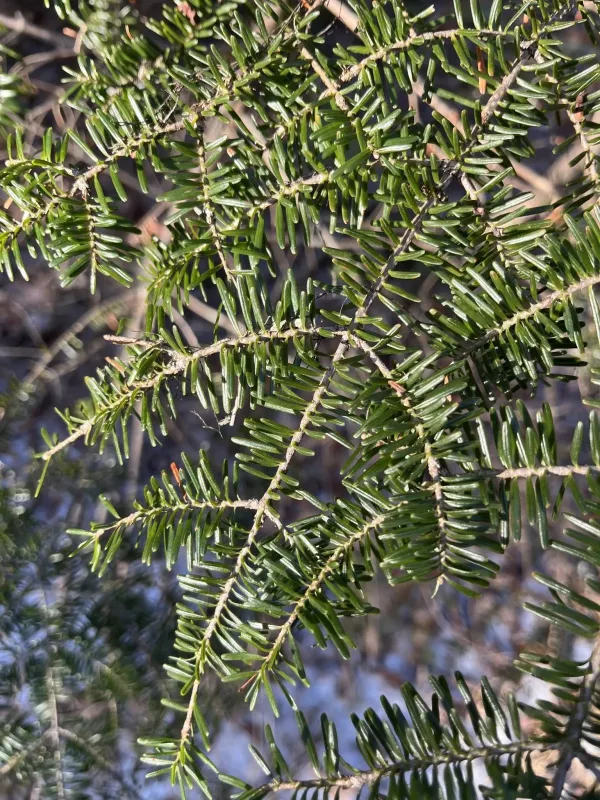
Description
Sowing dates
The propagation of the Balsam fir is primarily achieved through seed germination, requiring specific conditions to break seed dormancy effectively.
Seeds should undergo cold moist stratification for approximately 60 days before sowing to ensure a high and uniform germination rate in the nursery beds.
Sowing is typically performed in late spring, using a well-draining soil mix enriched with organic matter to support the initial growth of the fragile seedlings.
Seedbeds must be kept consistently moist but not waterlogged, and shading is highly recommended during the first growing season to prevent seedling desiccation.
Transplanting the seedlings into larger containers or field rows is generally done after two to three years once the root system is sufficiently robust to handle environmental stress.
Growing requirements
Abies balsamea is a member of the Pinaceae family, native to North American boreal forests, characterized by its preference for cool, moist climates.
The species thrives in deep, fertile, and slightly acidic soils; it does not tolerate stagnant water and performs best on well-drained loamy sites.
While the tree shows significant shade tolerance during its early years, it requires full or partial sunlight to maintain dense foliage and optimal growth rates in plantation settings.
It is remarkably hardy in cold climates, successfully enduring severe winters, although it is sensitive to atmospheric pollution and dry, urban microclimates.
Site selection should prioritize areas with adequate rainfall and soil moisture, as the Balsam fir lacks high drought resistance compared to other conifers.
Yield
The economic utility of the Balsam fir is diverse, making it a highly valued species in both forestry and the horticultural industry.
It is widely recognized as a premium Christmas tree species due to its strong needle retention, symmetrical shape, and characteristic pleasant fragrance.
The wood is harvested for lightweight construction timber and is particularly prized in the pulp and paper industry for its long fibers.
The tree provides "Canada balsam," an oleoresin collected from bark blisters, which has historical and specialized uses in microscopy and optics.
Beyond commodity production, it serves as a staple in ornamental landscaping, where it provides year-round structure and scent in cold-climate gardens.
Main diseases and pests
The Balsam woolly adelgid is one of the most destructive pests for this species, causing abnormal wood growth and eventual dieback of the tree crown.
Spruce budworms represent another significant threat, as they feed on the developing buds and foliage, potentially causing widespread mortality in dense stands.
Needle cast diseases, caused by various fungal pathogens, result in the premature browning and shedding of needles, reducing both vigor and aesthetic value.
Root rot pathogens, such as Armillaria, can infect trees grown in poorly drained soils, often leading to rapid decline during drought or stress periods.
Integrated pest management, including regular inspections and the application of targeted insecticides, is essential for maintaining healthy plantation yields.