
Algerian fir
Abies numidica de Lannoy ex Carrière
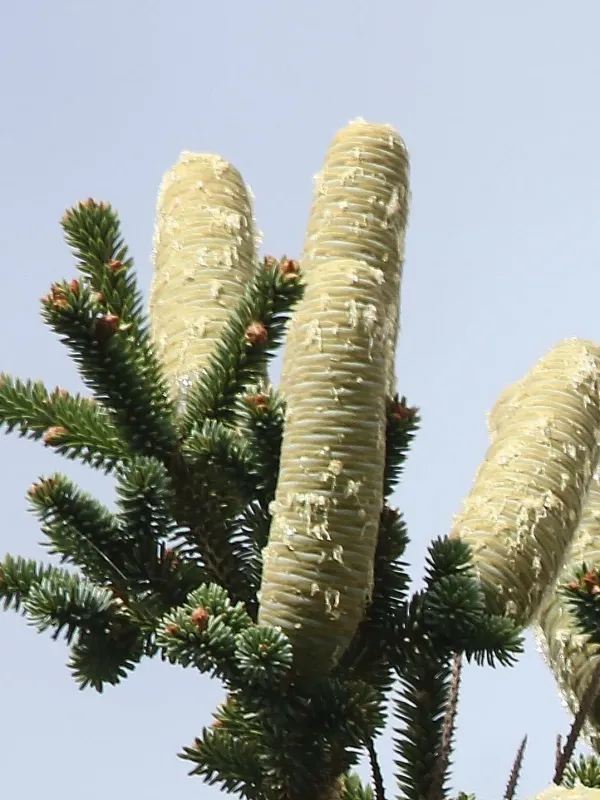
Description
Growing requirements
The Algerian fir (Abies numidica) belongs to the Pinaceae family and is an evergreen coniferous tree native to the mountainous regions of Algeria, specifically the Babor Mountains.
This species thrives in a cool, humid mountain climate, although it shows a remarkable degree of drought tolerance compared to other fir species, making it a unique addition to specific landscape zones.
Cultivation requires deep, fertile, and well-drained soils. The plant is sensitive to waterlogged conditions, which can lead to root rot; therefore, selecting an appropriate site with natural or artificial drainage is critical.
Botanically, it is recognized for its dense, conical habit and short, dark green needles that feature prominent white stomatal bands on the underside, providing a distinct silvery appearance.
In terms of agricultural and horticultural use, it is prized as an ornamental specimen in parks and large gardens due to its elegant architecture and adaptability to moderate Mediterranean-like climates.
Main diseases and pests
The tree is primarily susceptible to fungal diseases such as needle cast, which are frequently triggered by excessive moisture and poor air circulation within the tree canopy.
Pest issues often include aphids and scale insects, which may colonize the needles and tender twigs, significantly impacting the aesthetic value of the specimen if left untreated.
Integrated pest management strategies should include regular inspection of the branches and the application of appropriate systemic insecticides to prevent severe outbreaks.
Fungal prevention focuses on maintaining plant vigor through balanced fertilization and ensuring that the planting density allows for adequate light and wind penetration.
Root system health remains a priority, as environmental stress can make the tree vulnerable to secondary attacks by bark beetles and other wood-boring insects.