
Nikko fir
Abies homolepis Siebold & Zucc.
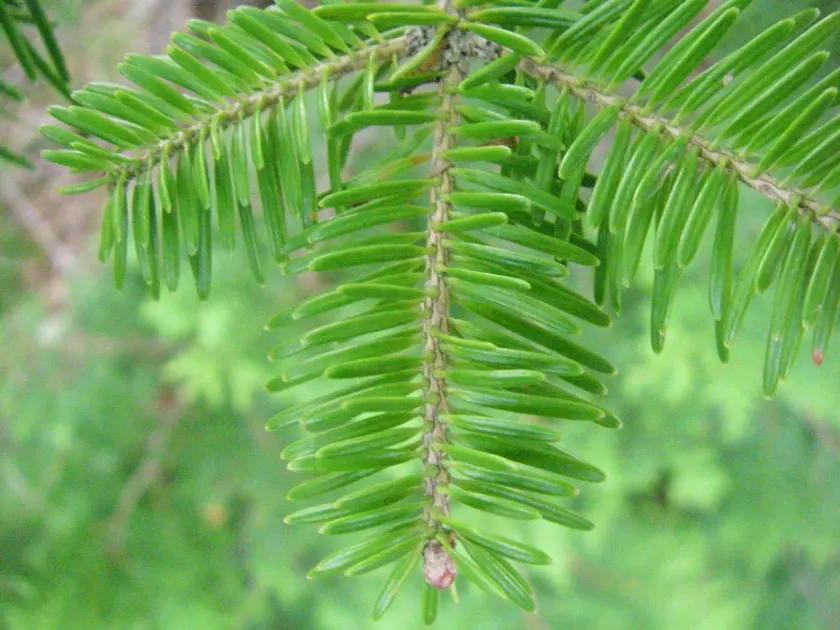
Description
Sowing dates
Propagation of the Nikko fir is typically performed via seeds or semi-hardwood cuttings. Seeds should be harvested from cones in autumn before they begin to shatter on the tree.
For best results, seeds require a period of cold stratification (lasting 30–60 days) to break dormancy. Sowing should take place in spring, ideally in April, once the soil has warmed up.
When using a nursery container, ensure the substrate is a well-draining mixture of peat and perlite to prevent seed rot during the germination phase.
Vegetative propagation involves taking cuttings in late spring from healthy, new-season growth. These cuttings are placed in a humid environment until roots are established.
Young seedlings are fragile and require consistent moisture and shade during their first year. Transplanting to a permanent location should only occur once the plant has developed a strong root system.
Growing requirements
The Nikko fir (Abies homolepis) is a species in the Pinaceae family, native to the mountainous regions of Japan. It is known for its resilience in cool, temperate climates.
This tree thrives in deep, fertile, and well-drained loamy soils. It has a preference for slightly acidic pH levels and does not tolerate waterlogged conditions.
It prefers a location with moderate to high humidity and protection from drying winds. While it is shade-tolerant as a juvenile, it requires more light as it reaches maturity.
Avoid planting in areas with high air pollution, as the needles are sensitive to industrial pollutants which can lead to premature drop and reduced vigor.
Adequate spacing is crucial to ensure good airflow between mature trees, which minimizes the risk of humidity-related fungal infections in the lower canopy.
Yield
The Nikko fir is primarily utilized in horticulture and landscape design rather than timber production. Its dense, dark green foliage makes it a prized specimen tree.
In optimal conditions, the tree can reach heights of 20 to 30 meters. It develops a symmetrical, conical crown that provides high aesthetic value throughout the year.
It is often used in public parks and botanical gardens as a stand-alone feature. Its slow-to-moderate growth rate makes it manageable for long-term landscaping projects.
Though not commonly harvested for lumber, the wood of the Nikko fir is of acceptable quality, similar to other species of the genus Abies used in light construction.
Annual growth rates typically range from 15 to 30 centimeters depending on local environmental factors and the availability of essential nutrients in the soil.
Main diseases and pests
Common pests include the balsam woolly adelgid and various defoliating insects that can mar the appearance of the needles and weaken the tree's health.
Integrated pest management, including the use of systemic insecticides and manual removal of infested shoots, is recommended during the active growing season.
Fungal pathogens such as needle cast (Rhabdocline) can become problematic in wet, cool springs. Ensuring good air circulation is the best preventative measure.
Root rot, particularly Phytophthora, can be a major threat if soil drainage is insufficient. Always verify soil drainage capabilities before selecting a planting site.
- Regular inspection of the lower branches for discoloration.
- Application of specialized coniferous fertilizers to boost immune response.
- Pruning out dead or diseased wood during the dormant season to maintain plant hygiene.