
Balotina bergamot
Citrus balotina Poit. & Turpin
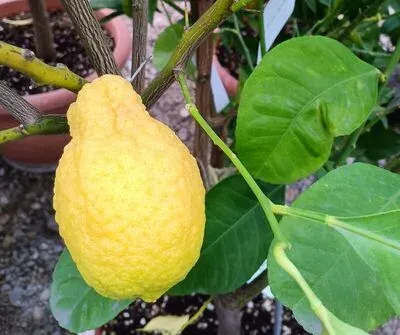
Description
Growing requirements
The Balotina bergamot (Citrus balotina) is a distinct species belonging to the Rutaceae family. As a specialized citrus cultivar, it is known for its aromatic properties and is botanically classified within the broader complex of citrus hybrids, often associated with the Seville orange lineage.
The cultivation of this species is strictly limited to subtropical environments that provide consistent warmth. It is highly sensitive to frost, necessitating locations where temperature extremes are minimized and the frost-free season is long enough to ensure proper fruit maturation.
Soil requirements for the Balotina bergamot are stringent; it thrives in deep, well-drained loamy soils with a pH ranging from slightly acidic to neutral. Heavy clay soils that retain excess water are unsuitable, as they lead to root suffocation and increase susceptibility to soil-borne pathogens.
Ample sunlight is a fundamental requirement for the accumulation of essential oils in the fruit peel. Exposure to full sun throughout the day ensures vigorous growth and helps in the synthesis of secondary metabolites that define the unique fragrance of the bergamot.
Proper agronomic management involves a balanced fertilization program that prioritizes nitrogen during the growth phase and potassium during fruit development. Consistent irrigation is required to avoid water stress, which can lead to fruit drop and poor overall crop quality.
Main diseases and pests
The plant is susceptible to several fungal diseases, with anthracnose and citrus scab being the most common issues in regions with high humidity. These diseases primarily attack the foliage and developing fruit, leading to aesthetic damage and reduced yield.
Pests such as armored scale insects pose a persistent threat to the branches and leaves. These insects extract plant sap, weakening the host tree and potentially leading to the formation of sooty mold, which blocks photosynthesis and stunts plant growth.
Spider mites are another major concern, especially in dry and hot conditions. They cause bronzing of the leaves and premature leaf fall, which significantly reduces the energy-producing capacity of the tree during the peak of the growing season.
Citrus nematode populations in the soil can cause gradual decline and yellowing of the leaves. Managing soil health and ensuring the use of certified, disease-resistant rootstocks are essential preventive measures to maintain the longevity of the orchard.
Regular maintenance pruning is critical for pest and disease management. By improving air circulation and light penetration into the interior of the canopy, growers can significantly reduce the moisture levels that favor the growth of pathogenic fungi and bacteria.