
Australian finger lime
Citrus australasica F. Muell.
Description
Growing requirements
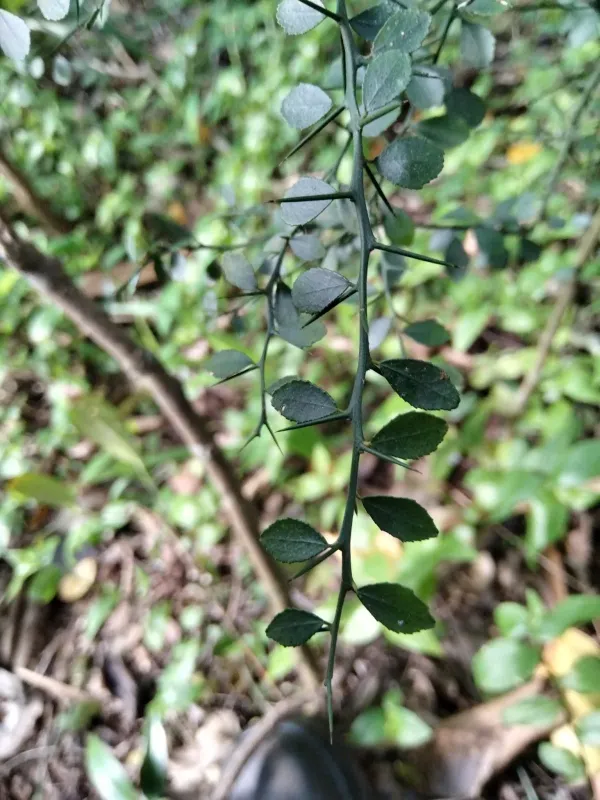
The Australian finger lime (Citrus australasica) is a member of the Rutaceae family. It is a thorny understory shrub or small tree native to the coastal subtropical rainforests of Queensland and New South Wales, Australia.
This species thrives in warm, humid climates and is sensitive to frost. When grown outside its natural range, it requires greenhouse conditions or to be kept in pots that can be moved indoors during colder periods.
Soil requirements include excellent drainage and high organic matter content. A slightly acidic soil pH is ideal for nutrient uptake, and the plants should be protected from harsh, direct winds which can damage the foliage and fruit.
Watering should be consistent; however, the soil must be allowed to dry slightly between waterings to prevent root rot. Supplemental irrigation is vital during dry spells if the trees are planted in containers or exposed areas.
Pruning is essential to maintain a manageable shape and improve airflow through the canopy. This practice is also critical for reducing the micro-environment that encourages fungal pathogens within the dense foliage.
Yield
The fruit is famous for its unique structure, containing juice vesicles that resemble caviar. Depending on the cultivar, these vesicles can range from clear and yellow to pink and deep red in color.
Productivity increases significantly once the trees reach maturity, typically around the fourth or fifth year. A well-maintained tree can produce several kilograms of high-value fruit during the peak harvest season.
Harvesting is performed manually by clipping individual fruits, as they do not detach easily like traditional oranges. This labor-intensive process is justified by the high market price and the premium demand in the gastronomy sector.
Finger limes are widely used as a gourmet garnish for seafood, sushi, and salads. Their ability to add a burst of acidity and unique texture makes them a favorite among professional chefs worldwide.
Proper post-harvest handling is necessary to maintain the freshness of the vesicles. Fruits should be stored in cool, controlled environments to prevent shriveling and to maintain the vibrant color of the interior fruit pods.
Main diseases and pests
Like other citrus species, finger limes are prone to pests such as citrus leaf miner, spider mites, and scale insects. These pests can cause significant leaf drop and reduce the overall vigor of the plant.
Fungal diseases are a primary concern, especially in high-humidity environments. Anthracnose and various types of root rots are common if soil drainage is inadequate or if the canopy is too dense to allow for air movement.
Integrated Pest Management (IPM) strategies are highly recommended to minimize the use of synthetic chemicals. Regular scouting and early detection are the most effective ways to manage potential outbreaks.
Maintaining tree health through proper fertilization and watering is the best defense against disease. Stressed plants are significantly more susceptible to environmental factors and subsequent pathogenic attacks.
- Use of organic horticultural oils for pest suppression.
- Routine cleaning of pruning tools to prevent infection.
- Providing adequate spacing between trees for airflow.