
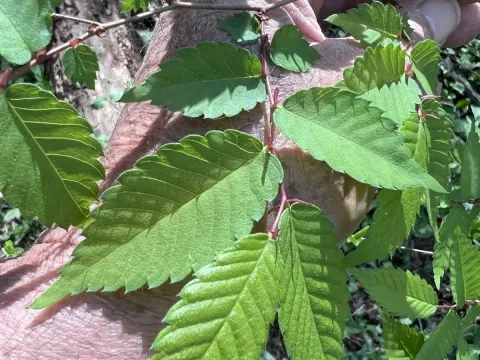
Zelkova
Zelkova Spach
Zelkova is a genus of deciduous trees belonging to the Ulmaceae family, recognized for its durability and aesthetic appeal in temperate landscaping.
What the section contains


Zelkova
The propagation of Zelkova typically involves seed stratification, which is essential to overcome dormancy and ensure successful germination in the spring.
Sowing should be performed in well-draining seedbeds, maintaining consistent moisture levels and protection from extreme temperature fluctuations during growth.
Cutting propagation is also widely used, requiring hardwood cuttings taken in late winter to establish a strong root system before the growing season.
Nursery management focuses on providing adequate space and nutrition to young seedlings, ensuring they develop a straight trunk and balanced root system.
These trees thrive in deep, loamy, and well-aerated soils that offer moderate moisture retention without the risk of waterlogging for the root system.
Optimal growth is achieved in full sun or light partial shade, where the tree can develop its characteristic canopy shape and strong wood structure.
Watering requirements are significant during the establishment phase, particularly in dry regions, to support healthy root penetration into the subsoil.
The application of organic mulches around the base helps regulate soil temperature and enhances nutrient cycling, promoting vigorous yearly growth.
Environmental tolerance varies by species, but most Zelkova cultivars demonstrate a high degree of adaptability to urban conditions and moderate droughts.
Common health issues include leaf blight and vascular diseases, which often result from poor drainage or excessive humidity around the root zone.
Pests such as scale insects and aphids can occasionally infest the foliage, leading to reduced vigor and the potential for secondary fungal growth.
Regular monitoring and physical removal of damaged branches are primary steps in managing the phytosanitary status of the tree in a cultivated setting.
Fungicide treatments may be necessary during periods of high humidity to prevent the development of foliage diseases that threaten tree vitality.
Integrated pest management strategies should emphasize the use of beneficial insects and correct watering practices to minimize chemical reliance.