
Phyllostylon rhamnoides
Phyllostylon rhamnoides
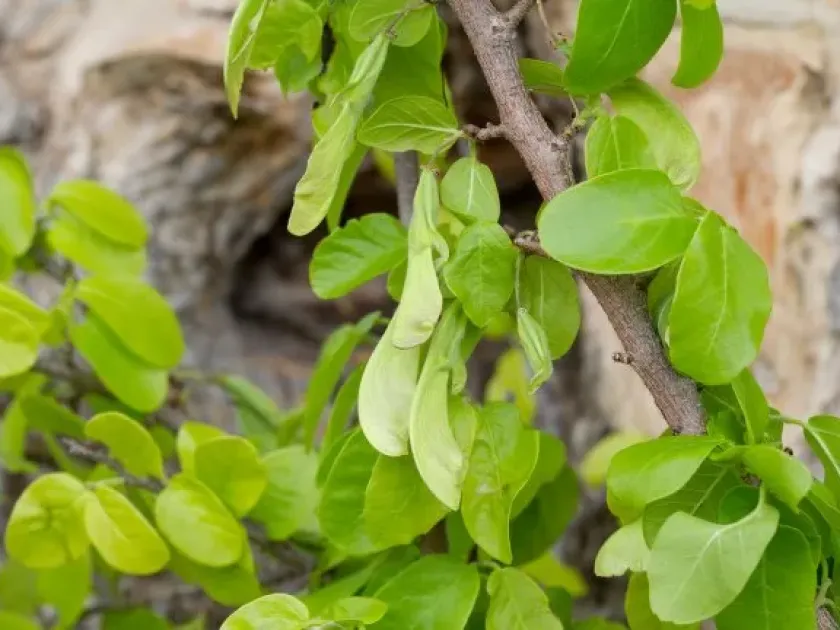
Description
Growing requirements
Phyllostylon rhamnoides is a tree species belonging to the Ulmaceae family, known for its high-density timber. It is native to the tropical regions of Central and South America, thriving in diverse ecological conditions.
The tree naturally inhabits subtropical and tropical dry forests. Its ability to tolerate seasonal water deficits makes it a resilient candidate for agroforestry projects in suitable regions.
Cultivation requires deep, well-drained soils to support the tree's vigorous development. Exposure to full sunlight is essential for optimal canopy growth and wood hardening processes in younger specimens.
Botanically, it is recognized by its alternate leaves and dense, fine-grained wood. It is often referred to as a substitute for true boxwood due to its similar physical properties and appearance.
The wood is highly valued for manufacturing musical instruments, tool handles, and luxury furniture. Its workability and stability under varying temperatures make it a preferred material for precision crafts.
Main diseases and pests
Leaf spot diseases, caused by various fungal pathogens, are common in humid environments. These can reduce the photosynthetic surface of the tree if left untreated.
Boring insects represent a significant threat to the integrity of the trunk. Strict monitoring of trunk health is necessary to ensure the structural quality of the valuable timber.
Scale insects and aphids can infest young shoots, drawing vital nutrients from the plant. Manual inspection and targeted biological control are recommended for large-scale plantations.
Root rot pathogens may thrive in areas with poor drainage or excessive water retention. Careful site selection is the primary strategy to prevent these devastating subterranean issues.
Maintaining adequate plant spacing is crucial to prevent the spread of infectious diseases. Proper ventilation within the plantation significantly lowers the risk of pest outbreaks.