
Sicilian zelkova
Zelkova sicula Di Pasq. et al.
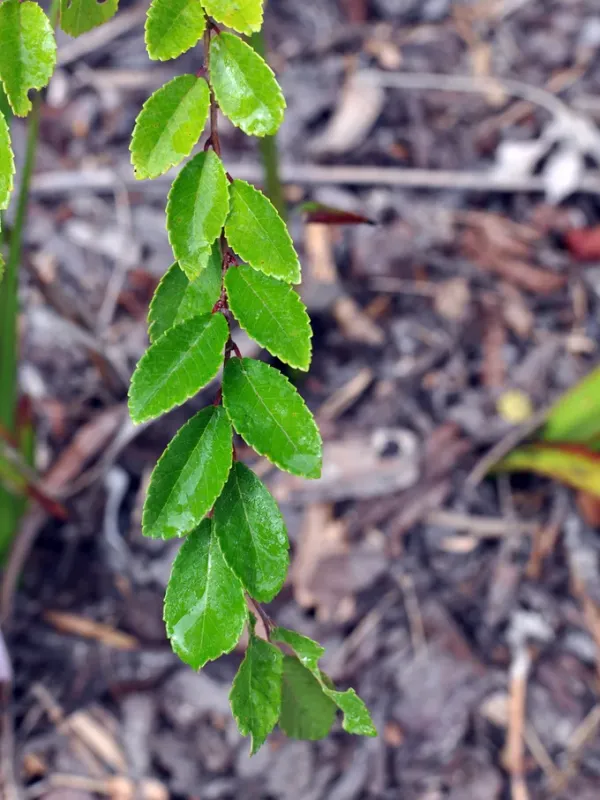
Description
Growing requirements
The Sicilian zelkova (Zelkova sicula) is a rare shrub or small tree belonging to the family Ulmaceae. It is a highly localized endemic species, naturally occurring only in a few specific limestone areas in southeastern Sicily, Italy.
The plant thrives in Mediterranean-type climates, requiring stable moisture levels and protection from intense summer drought. Its natural habitat is characterized by thin, calcareous soils that demand excellent drainage to prevent root rot during rainy winter months.
Botanically, the species is distinguished by its small, serrated leaves and a robust, spreading habit that allows it to persist in difficult rocky terrain. Growth is generally slow, a common adaptation for woody plants in such resource-limited environments.
Agricultural cultivation of this species is not performed commercially. Instead, it is grown in botanical collections and nurseries for conservation purposes, where soil aeration and nutrient levels are carefully managed to simulate its native forest floor environment.
The economic utility of the species remains restricted to scientific research and biodiversity preservation. It serves as a vital model for understanding plant adaptation and the historical biogeography of the Mediterranean basin.
Main diseases and pests
The primary threat to the Sicilian zelkova is the loss or degradation of its limited habitat, which is largely driven by livestock overgrazing and land-use changes in its native range.
Increasing frequency of extreme weather events, specifically prolonged drought and heatwaves, poses a direct risk to the survival of juvenile plants that have not yet established deep roots.
Pathogen susceptibility remains a significant concern, as the species shares genetic vulnerabilities common to the Ulmaceae family, potentially making it prone to fungal infections that affect vascular systems.
Invasive plant competition restricts the spread of the species, as stronger, faster-growing vegetation outcompetes zelkova seedlings for space and sunlight in disturbed areas.
Due to the extremely restricted geographic distribution, the lack of genetic diversity makes the species exceptionally sensitive to environmental shifts and reduces its adaptive capacity over time.