
Large-fruited elm
Ulmus macrocarpa
Description
Sowing dates
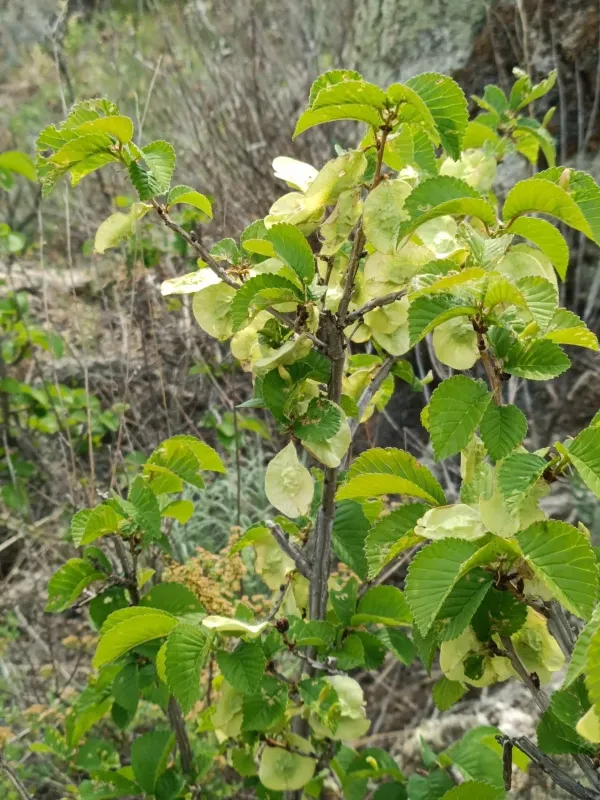
The large-fruited elm (Ulmus macrocarpa) is a member of the Ulmaceae family. It is known for its relatively large samaras, which distinguish it from other elm species during the seed dispersal phase.
Seeds should be collected as soon as they reach maturity. Because they have a high moisture content and short longevity, sowing them immediately is the best way to ensure high germination rates.
In nursery conditions, seeds are sown in rows with a spacing of about 25 centimeters. This distance is optimal for proper airflow and prevents the overcrowding of young seedlings.
Autumn sowing is generally preferred in temperate regions. The seeds undergo a natural winter dormancy period, which helps them germinate vigorously as soon as the soil temperatures rise in early spring.
For container-grown seedlings, a balanced peat-based substrate with added perlite is used to ensure both water retention and adequate drainage, which is crucial for early root development.
Growing requirements
This species thrives in full sun but can tolerate light shade in its juvenile stage. Full exposure is necessary to develop a dense, robust crown and a strong trunk structure.
It is remarkably adaptable to various soil types, although it performs best in deep, fertile, and well-drained loams. It can tolerate slightly saline or rocky soils better than many other elm species.
Water requirements are moderate. While established trees are highly drought-tolerant, supplemental irrigation during the first two years after planting is vital to ensure tree survival.
The tree is exceptionally hardy and can withstand freezing temperatures, making it a suitable candidate for reforestation and landscaping projects in challenging continental climates.
Maintenance involves mulch application around the base to suppress weeds and maintain consistent soil moisture levels, which prevents stress and promotes faster canopy closure.
Main diseases and pests
Dutch Elm Disease remains the most significant threat to Ulmus macrocarpa. This fungal infection is spread primarily by bark beetles and can be fatal to mature trees within a few seasons.
The elm leaf beetle is a common pest that causes skeletonization of the leaves. In urban landscapes, biological control methods or selective spraying are used to manage beetle populations.
Bark borers can weaken the tree's vascular system. Maintaining tree health through proper watering and avoiding mechanical injuries helps the tree resist attacks from these boring insects.
Fungal leaf spot diseases can occur during humid summers. While rarely fatal, they may cause premature leaf drop and negatively affect the aesthetic appeal of the tree in parks.
Regular monitoring of the trees is essential for early detection of stress. Removing infested branches or entire trees showing systemic signs of disease is necessary to protect the surrounding population.