
Polyspora
Polyspora Sweet ex G. Don
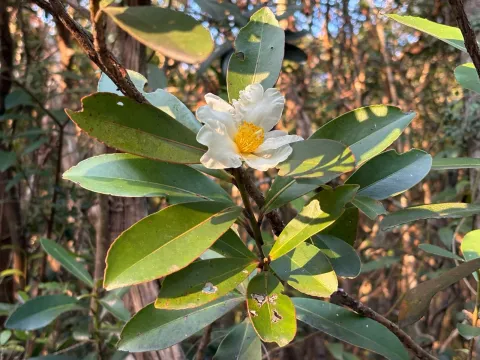
Polyspora is a genus of evergreen trees and shrubs belonging to the family Theaceae. Many species within this genus were historically categorized under the genus Gordonia, which remains a key point of reference in botanical and horticultural research regarding this culture.
What the section contains

Polyspora
Native to the subtropical regions of East Asia, including China and Vietnam, Polyspora thrives in humid, warm environments. These plants require consistent moisture levels to mimic the forest understory conditions where they naturally occur and reach maturity.
The soil requirements for Polyspora are specific: they prefer acidic, well-draining substrates rich in organic matter. High-quality drainage is non-negotiable, as the roots are highly susceptible to rot if water accumulates for extended periods in the root zone.
In terms of light exposure, Polyspora performs best in partial shade. Excessive direct sunlight can scorch the glossy leaves, while deep shade may lead to leggy growth and a reduction in the abundance of flowers, which are the main ornamental feature of the plant.
Host plants are generally used in landscaping and ornamental gardening within appropriate climate zones. Their dense foliage and elegant floral structure make them a prized choice for collectors and designers aiming to create lush, sophisticated green spaces.
Root rot caused by fungal pathogens is the most significant threat to Polyspora. Overwatering combined with poor soil structure creates the perfect conditions for these pathogens, often leading to rapid decline and mortality of affected specimens.
Pests such as scale insects and spider mites are common adversaries for this culture. These insects feed on the plant's sap, weakening the foliage and potentially creating entry points for viral or bacterial pathogens through their feeding sites.
Effective management begins with proper site selection and sanitation. Removing debris from under the canopy prevents the buildup of pathogens, while maintaining sufficient spacing between plants ensures adequate airflow, which naturally discourages pest colonization.
When infestation occurs, integrated pest management (IPM) strategies should be employed. This involves identifying the pest early and using targeted treatments that minimize harm to beneficial insects while effectively eliminating the threat to the plant.
Nutritional stress can also leave Polyspora vulnerable to attacks. Ensuring the correct pH levels is vital, as micronutrient deficiencies, particularly iron chlorosis, can weaken the plant's natural defense mechanisms against both biotic and abiotic stressors.