
Hong Kong camellia
Camellia hongkongensis
Description
Growing requirements
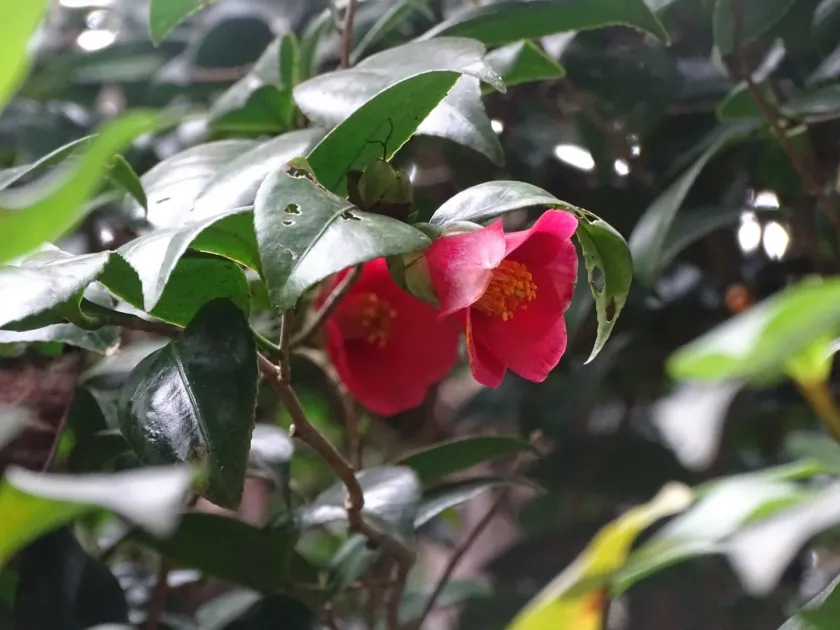
Hong Kong camellia (Camellia hongkongensis) is a distinctive species within the Theaceae family. It is an evergreen tree or large shrub known for its dark green, glossy foliage and elegant, reddish-pink flowers.
This species is native to Hong Kong and parts of southern China, typically found in shaded ravines and forested slopes where humidity is high and temperatures remain stable throughout the year.
Cultivation requires well-drained, acidic soil rich in organic matter. Gardeners must ensure the substrate mimics the forest floor environment, providing both moisture retention and aeration to prevent root rot.
The plant thrives in partial shade. Exposure to intense, direct sunlight often causes leaf scorching and can inhibit flower bud development, especially in younger specimens or during the hottest summer months.
Proper agricultural practice involves regular watering with non-alkaline water. It is important to avoid heavy fertilization, preferring slow-release, acid-balanced fertilizers applied specifically at the start of the growth cycle.
Main diseases and pests
The primary threats to Camellia hongkongensis include fungal pathogens, such as petal blight and leaf spot, which are often triggered by excessive humidity levels and poor canopy ventilation.
Pest pressures typically involve infestations of scale insects and spider mites. These pests thrive in sheltered, warm conditions, frequently attacking the tender new growth of the plant.
Root system vulnerability is a significant concern, especially when grown in containers where soil temperatures can fluctuate dramatically, potentially inviting soil-borne diseases.
Integrated Pest Management (IPM) strategies are recommended, including the physical removal of pests and the application of horticultural oils for scale control during the dormant season.
Maintaining cleanliness under the plant canopy is vital, as fallen debris can harbor spores and eggs, acting as a reservoir for recurring infestations if not removed during seasonal maintenance.