
Stewartia
Stewartia L.
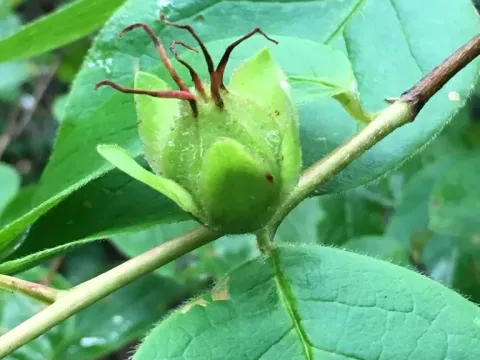
Stewartia is a genus of deciduous trees and shrubs belonging to the Theaceae family. Native to East Asia and North America, these plants are highly prized for their exquisite ornamental characteristics and elegant growth habits.
What the section contains


Stewartia
The cultivation of Stewartia requires specific environmental conditions. They thrive in acidic, humus-rich, and well-drained soils. Ensuring proper moisture retention is essential, as the species is intolerant to both extreme drought and waterlogged conditions.
Regarding climate requirements, Stewartia prefers sheltered positions with partial shade. While they can handle some morning sun, protecting them from harsh afternoon heat is critical for preventing leaf scorch and maintaining plant vigor.
Basic agrotechnical practices include consistent watering during the growing season, especially in young trees. Mulching is highly recommended to protect shallow root systems from temperature fluctuations and to preserve soil moisture throughout the summer.
The primary use of Stewartia is in landscape architecture and ornamental gardens. They are admired for their multi-seasonal interest, which includes beautiful summer flowers and the distinctive, exfoliating bark that creates a stunning visual texture year-round.
Stewartia is generally considered a low-maintenance plant, but it can be susceptible to root rot if grown in heavy, poorly drained clay soils. Proper site preparation with appropriate drainage is the best preventative measure.
Pest issues are usually minimal, but aphids and scale insects can occasionally infest the foliage and soft shoots. Early detection and the use of targeted horticultural oils or soaps are effective ways to manage these populations.
Fungal leaf spots can occur in humid environments with poor air circulation. To minimize this risk, ensure proper spacing between plants and avoid overhead watering that keeps the foliage wet for extended periods.
Winter injury can occur in regions with fluctuating temperatures. Selecting site-appropriate varieties and protecting younger specimens during their first few years will help ensure successful establishment and long-term health.
Regular maintenance should include the removal of dead or crossing branches to encourage healthy airflow and maintain the structural integrity of the tree, which is particularly important for the display of its ornamental bark.