
Long-fruited Polyspora
Polyspora longicarpa (Hung T. Chang) C. X. Ye ex B. M. Barthol. & T. L. Ming
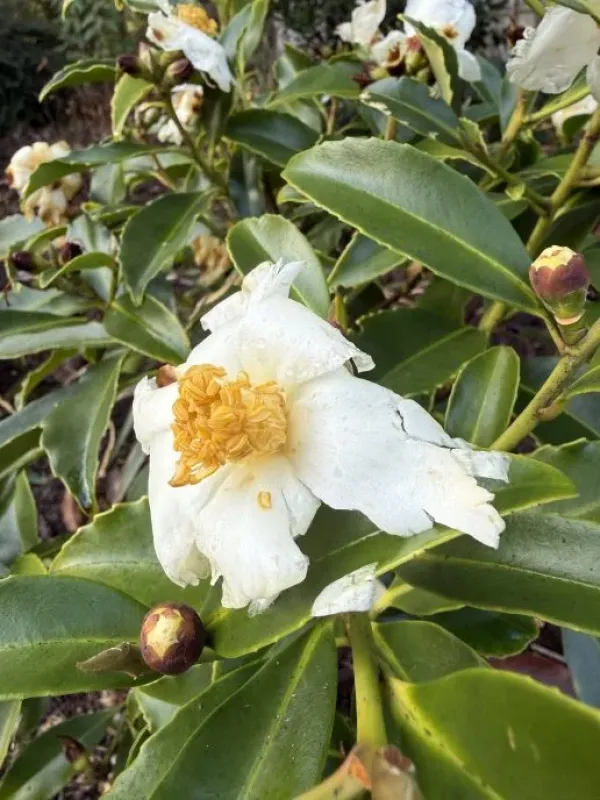
Description
Growing requirements
Long-fruited Polyspora (Polyspora longicarpa) belongs to the Theaceae family, sharing botanical characteristics with camellias. This evergreen species is valued for its lush foliage and structured growth habit as an ornamental tree.
The plant thrives in subtropical climates that offer consistent humidity and temperate conditions. It is sensitive to extreme frosts and requires sheltered locations to maintain its evergreen leaves throughout the year.
Soil requirements are strict: the medium must be well-drained and slightly acidic. It is essential to ensure that the roots are not subjected to waterlogging, as the species is prone to rapid root decay in heavy, compacted soils.
Cultivation practices involve applying organic mulch around the base to conserve moisture and regulate soil temperature. Regular monitoring of the soil pH is recommended to prevent nutrient deficiencies that typically affect acid-loving plants.
Economically, the species is primarily cultivated for landscaping purposes. Its architectural form makes it an excellent choice for ornamental gardening, providing year-round greenery and visual interest in suitable climate zones.
Main diseases and pests
The primary threats to Polyspora longicarpa are fungal diseases exacerbated by stagnant air and excessive soil moisture. Root rot is the most devastating issue and is often difficult to reverse once established.
Leaf spot diseases can occur during humid seasons, often affecting the aesthetic quality of the foliage. Proper spacing between plants is crucial to ensure adequate airflow and reduce the humidity around the canopy.
Insect pests such as scale insects and mealybugs frequently target the stems and leaf undersides. These pests weaken the plant by extracting essential sap and may lead to stunted growth if left unmanaged.
Spider mites are a potential threat in arid conditions or sheltered greenhouse environments, causing foliage discoloration and premature leaf drop if not addressed promptly with biological control.
Effective management includes maintaining overall plant vigor through balanced fertilization and sanitation practices, such as removing debris and infected branches to minimize the inoculum reservoir.