
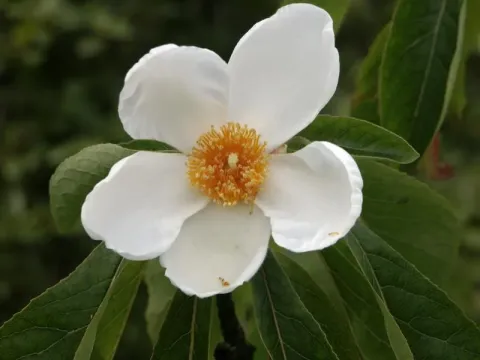
Franklinia
Franklinia
Franklinia (Franklinia alatamaha) is a unique monotypic genus of deciduous trees and shrubs within the Theaceae (Tea) family. Originally native to the Altamaha River valley in Georgia, USA, it has been extinct in the wild since the early 19th century, existing now only through cultivation.
What the section contains

Franklinia
The tree thrives in regions with temperate climates, requiring high humidity and consistent moisture. While it is hardy in many zones, it is relatively sensitive to extreme fluctuations in temperature and requires a sheltered location to protect it from harsh, desiccating winds.
Successful growth of Franklinia depends on well-draining, acidic, and organically rich soil. It is notoriously sensitive to waterlogged conditions, making appropriate soil site preparation and drainage management the highest priorities for gardeners.
Franklinia prefers full sun to light shade. In regions experiencing intense summer heat, afternoon shade is highly recommended to prevent leaf scorch and ensure the plant maintains its attractive foliage and blooming potential throughout the growing season.
A crucial agricultural practice for Franklinia is the application of a thick layer of organic mulch around the base of the plant. This helps regulate soil temperature, suppresses weeds, and maintains the consistent moisture levels necessary for its sensitive root system.
The most significant threat to Franklinia is root rot caused by Phytophthora fungi. These pathogens thrive in poorly drained, soggy soil, which often leads to the rapid decline and eventual death of the specimen if not managed early.
While the tree is not frequently plagued by severe pest infestations, occasional issues with aphids or leaf-feeding insects can occur. Integrated pest management and consistent monitoring are recommended to maintain the overall health and ornamental value of the tree.