
Camellia polyodonta
Camellia polyodonta
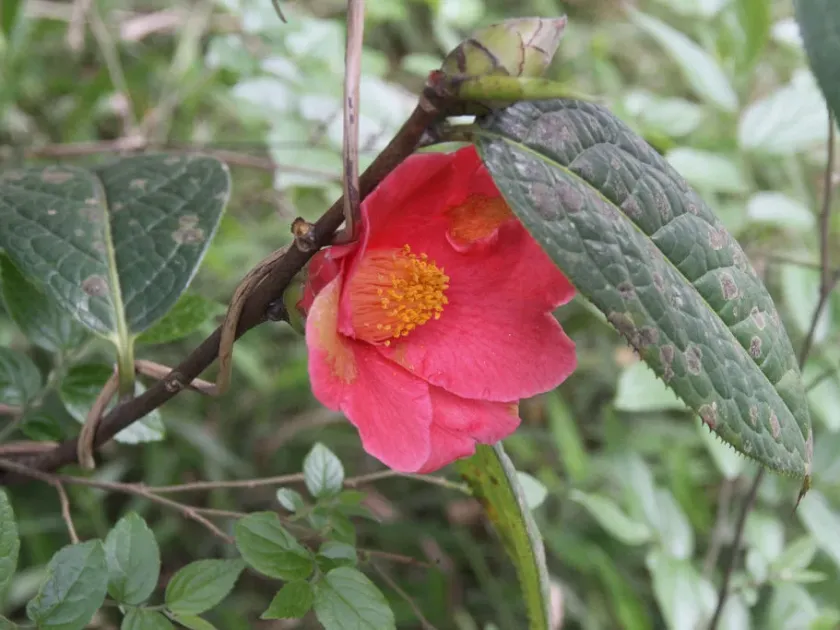
Description
Growing requirements
Camellia polyodonta is an evergreen woody species belonging to the Theaceae family. Originally native to the mountainous subtropical regions of Guangxi and Hunan in China, this plant is increasingly valued for its seed oil production.
The crop thrives in warm, humid subtropical climates and is sensitive to severe frost. Optimal development occurs at temperatures ranging between 18 and 25 degrees Celsius, requiring a consistent moisture level throughout the growing season.
Soil requirements include well-drained, acidic to slightly acidic conditions. Deep, fertile loams provide the necessary nutrients and structure for the plant's root system to flourish and support heavy yields of oil-rich seeds.
Selecting a planting site that offers protection from strong winds and intense direct midday sunlight is crucial for young trees. Consistent irrigation is required, though the plant is highly intolerant of waterlogged soil.
Economically, Camellia polyodonta is cultivated for its seeds, which are processed into premium edible oil. This oil is renowned for its excellent fatty acid profile, making it a high-demand commodity in the food and cosmetic industries.
Main diseases and pests
Common pests affecting Camellia polyodonta include scale insects and mealybugs. These pests feed on the sap of young shoots, and their infestation can lead to stunted growth and the development of sooty mold.
Fungal diseases, such as anthracnose and various leaf spots, are significant threats during periods of high humidity. Proper orchard management and adequate spacing are essential to ensure good air circulation and disease control.
Spider mites can become a nuisance during extended dry periods, causing leaf discoloration and drop. Regular monitoring of the foliage and appropriate irrigation help mitigate the risk of mite outbreaks.
Soil-borne pathogens can affect root health, especially in poorly drained sites. Using high-quality seedlings and maintaining clean cultivation practices are the best preventative strategies against root rot.
Integrated pest management, including the use of biorational pesticides, is recommended to ensure the sustainability of the crop and the safety of the oil produced for human consumption.
Harvesting
The harvest period for Camellia polyodonta seeds begins when the fruit capsules mature and start to split naturally. Timing is critical to prevent the loss of seeds that drop onto the ground upon full maturity.
Manual harvesting remains the preferred method to maintain seed quality and prevent damage to the plant structure. While labor-intensive, it ensures that only mature fruits are collected for processing.
Post-harvest, the fruits are dried in shaded, ventilated areas until the seeds are easily released from the capsules. This drying stage is essential to prevent fungal growth and maintain the chemical stability of the oil.
Yield capacity matures as the trees age, with peak productivity typically reached after several years of growth. A well-managed plantation can provide steady yields for many decades.
Final seed storage must be conducted in cool, dry conditions with constant airflow. This prevents rancidity of the seed oil and preserves the high nutritional value before cold-pressing extraction.