
Pometia pinnata
Pometia pinnata
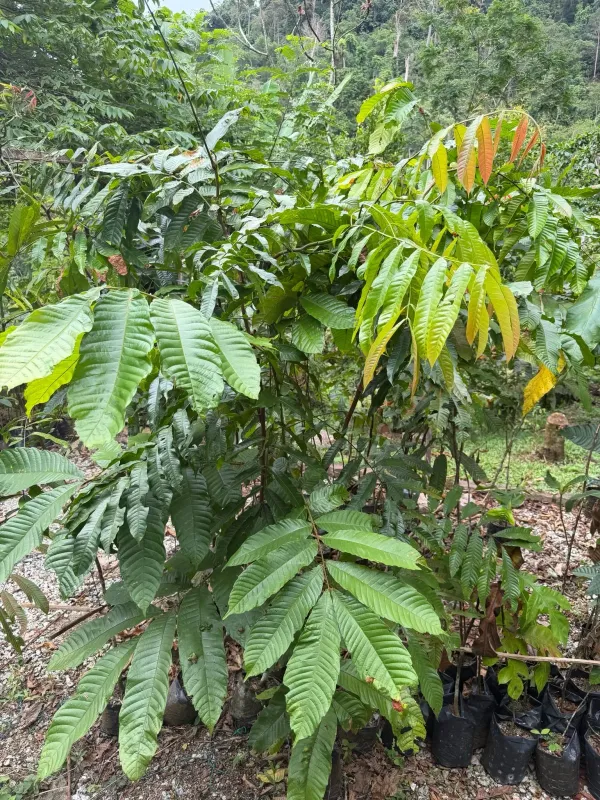
Description
Growing requirements
Pometia pinnata, commonly known as matoa, is a member of the Sapindaceae family. This large evergreen tree is native to Southeast Asia and the Pacific Islands, often reaching significant heights in tropical rainforest environments.
The tree thrives in tropical climates characterized by high humidity and consistent temperatures ranging from 22°C to 32°C. It is strictly frost-intolerant and requires a sheltered location in areas prone to strong winds.
Soil requirements include deep, fertile, and well-drained loam. The tree does not tolerate waterlogging, so proper site selection or the implementation of an effective drainage system is mandatory for establishing a healthy orchard.
Agricultural management involves routine pruning to maintain tree structure and improve light penetration into the canopy. This practice is essential for stimulating floral initiation and increasing the density of fruit clusters.
Planting density should be carefully planned to accommodate the large, spreading canopy of the tree. Standard orchard practices include mulching to retain soil moisture and providing organic matter to support vigorous tree growth.
Yield
Commercial orchards typically expect the first harvest from grafted trees within 5–7 years. The yield potential is significant, with mature trees producing large volumes of fruit depending on the specific cultivar and pollination success.
Productivity is highly correlated with the tree's health and the availability of nutrients during the reproductive phase. Consistent rainfall or controlled irrigation is the most important factor in preventing fruit drop during the developmental stage.
Main diseases and pests
Pest management focuses on controlling fruit-boring insects and aphids that can severely reduce fruit quality. Integrated pest management (IPM) strategies are recommended to maintain ecological balance in the orchard.
Pathogenic fungi can pose a risk in areas with excessive moisture, leading to stem rot or leaf blight. Maintaining proper tree spacing and airflow is the primary cultural practice for mitigating these risks.
Harvesting
Harvesting is performed manually during the peak of maturity, which is indicated by the skin color change. The fruits are typically harvested in clusters to maintain freshness and minimize handling damage.
Post-harvest handling is critical due to the perishable nature of the matoa fruit. Rapid cooling and careful storage are necessary to maintain the shelf life and quality for local and export markets.