
Pometia ridleyi
Pometia ridleyi
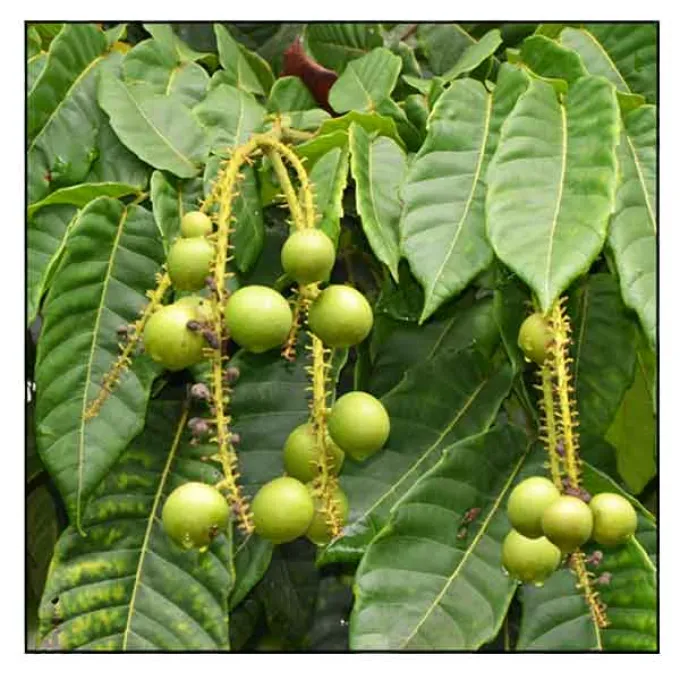
Description
Growing requirements
Pometia ridleyi is a tree species belonging to the Sapindaceae family. Native to the tropical rainforests of Southeast Asia, it is primarily found in regions with dense forest cover and high annual precipitation.
The plant thrives in a tropical climate characterized by consistently high temperatures and significant humidity. It lacks cold tolerance and is highly sensitive to dry seasons, which can significantly stunt its development.
Soil requirements for this species include well-draining, nutrient-rich substrates. It is essential to avoid sites prone to waterlogging, as the root system of Pometia ridleyi is susceptible to fungal infections in poorly drained conditions.
In terms of light exposure, the species is considered shade-tolerant during its early growth stages. As it matures, it moves toward the canopy, where it benefits from higher light intensity, though it generally remains sensitive to extreme sun exposure.
Standard agrotechnical practices focus on maintaining the health of the soil microbiome and mimicking the natural forest floor through mulching. This practice aids in moisture retention and temperature regulation for the shallow roots.
Main diseases and pests
The primary threats to Pometia ridleyi are related to fungal pathogens that affect the root system, especially when the plant is grown in unfavorable soil conditions with high moisture content and poor drainage.
Insect pests include various species of borers and defoliators that can damage the bark and foliage. Monitoring programs in plantation settings are crucial to detect infestations early and prevent significant biomass loss.
Competition from invasive weeds during the seedling stage is a significant challenge. Without proper management, weeds can outcompete young trees for nutrients and water, hindering their establishment.
Environmental stress, such as extreme drought, increases the susceptibility of the tree to pests and diseases. Maintaining optimal moisture levels is the best defense against secondary infections.
Agricultural monitoring should also include regular inspections of the canopy for signs of nutrient deficiencies, which often manifest as chlorosis or stunted leaf development, requiring precise fertilization adjustments.
Harvesting
The harvest of Pometia ridleyi is primarily focused on timber production. The wood is recognized for its durability and structural utility, making it a valuable resource in local and regional trade markets.
Harvesting cycles are long-term, often spanning several decades to allow the trees to reach the diameter required for industrial use. Sustainable logging practices are recommended to ensure long-term availability.
While timber is the main product, the seeds and fruits may be harvested for research or propagation purposes. Harvesting of these elements must be done carefully to maintain the natural regeneration cycle of the plantation.
During the harvest, care must be taken to minimize damage to the surrounding ecosystem. Selective logging is preferred over clear-cutting to maintain the integrity of the soil and promote natural regrowth.
Post-harvest management involves proper seasoning of the timber to ensure quality. The wood should be dried in controlled conditions to prevent warping and degradation, maximizing its economic value.