
Doratoxylon apetalum
Doratoxylon apetalum
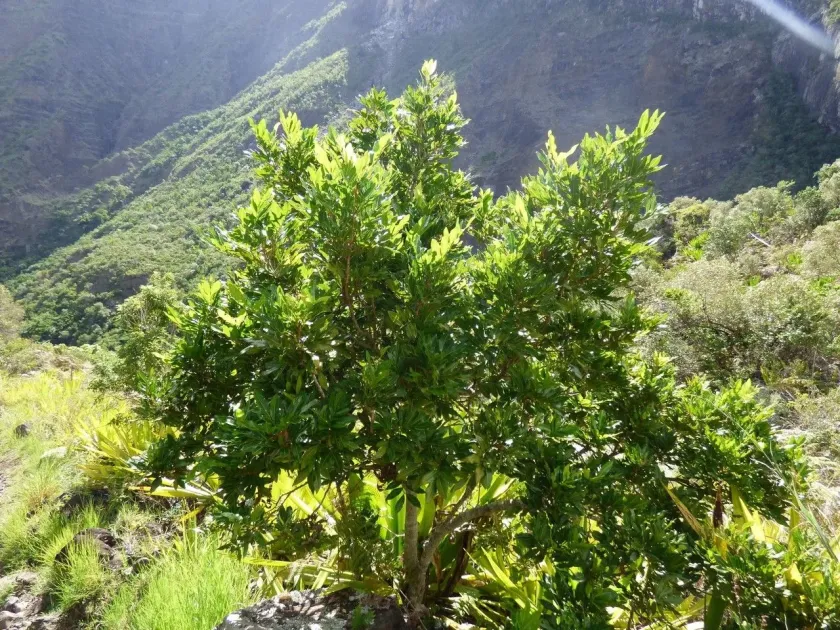
Description
Growing requirements
Doratoxylon apetalum is a distinctive evergreen tree species belonging to the Sapotaceae family. Native to the western Indian Ocean islands, particularly Mauritius and Réunion, it is adapted to specific tropical island environments.
This species thrives in high-humidity tropical climates where temperatures remain stable throughout the year. It requires well-draining soils and is typically found in coastal and mountainous forest ecosystems where moisture is consistently available.
For successful cultivation, adequate sunlight is essential, though juvenile plants may tolerate partial shade in forest gaps. The soil should ideally be rich in nutrients and have a balanced pH to support the slow growth rate typical of the genus.
Water management is crucial during the early stages of growth, as the tree is susceptible to stress during prolonged dry spells. Implementing proper irrigation systems ensures the healthy development of the root structure in younger plants.
The tree exhibits natural resilience to many environmental stresses, but it requires protection from extreme wind patterns often found in its native geographical range to maintain its structural integrity.
Harvesting
The primary economic utility of Doratoxylon apetalum is its high-density timber. Due to its robustness and resistance to decay, the wood is highly valued in artisan woodworking, furniture production, and fine construction.
Sustainable harvesting practices are implemented to manage the population, ensuring that timber extraction does not exceed the natural regeneration rate. This approach is vital for the conservation of this unique tropical tree.
In addition to timber, the species plays a role in agroforestry by providing canopy cover and structural diversity in managed landscapes. It contributes to soil stability and prevents erosion in hilly regions.
Market demand for sustainable tropical hardwoods has brought attention to this species, encouraging research into controlled plantation management to reduce pressure on wild ecosystems.
Ongoing studies focus on maximizing the harvest yield while maintaining the ecological health of the forest, ensuring that future generations can benefit from this valuable natural resource.