
Bearded maple
Acer barbinerve
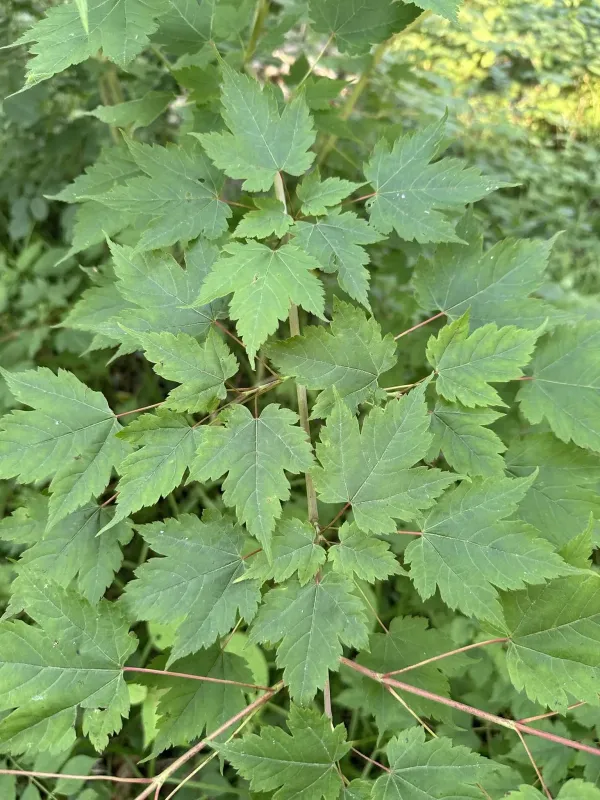
Description
Sowing dates
Sowing seeds of Acer barbinerve is best performed in the autumn immediately after harvest, allowing for natural cold stratification in the soil. For spring sowing, seeds must undergo artificial stratification at temperatures between 1 and 5 degrees Celsius for 90 to 120 days.
Seeds should be planted at a depth of 3 to 5 centimeters, maintaining spacing between rows to ensure the healthy development of seedlings. Maintaining consistent soil moisture is crucial, as the seeds are sensitive to both drought and waterlogging during the germination phase.
Pre-soaking seeds in growth stimulants can increase germination rates significantly. The nursery area should be partially shaded, as young maple seedlings are vulnerable to intense midday sunlight, which can cause leaf scorch.
When using a container-based cultivation method, ensure the use of high-quality substrate and adequate drainage layers. Seed density should be monitored to prevent overcrowding, which can lead to elongated, weak stems due to intense competition for light.
By the second year, seedlings develop a robust root system, making them suitable for transplanting to their permanent locations. The soil at the planting site should be enriched with organic matter to support vigorous growth after transplantation.
Growing requirements
Bearded maple belongs to the Sapindaceae family and is native to the temperate forests of the Russian Far East. The species prefers moderately moist, well-drained soils with a neutral or slightly acidic pH, avoiding highly alkaline or heavy clay conditions.
This species is highly cold-hardy, making it suitable for regions with harsh winter climates. It performs best when shielded from strong, drying winds, so planting in sheltered areas or within groups of other woody plants is highly recommended for optimal results.
While the tree is shade-tolerant, moderate exposure to diffused light is beneficial for maintaining a compact growth habit and enhancing autumn foliage color. Open sites require more frequent irrigation to compensate for higher transpiration rates during summer.
Agronomic management involves regular mulching around the base with peat or wood chips to stabilize soil temperature and suppress weeds. This practice also helps retain moisture, which is vital for the maple's shallow root system during the growing season.
Fertilization with balanced mineral complexes should occur in early spring to fuel new growth. It is important to avoid excessive nitrogen application in late summer, as this can delay the hardening-off process and make the plant susceptible to frost damage.
Main diseases and pests
Common fungal diseases of bearded maple include powdery mildew and leaf spots, which often develop in humid conditions with poor air circulation. Proper pruning to open the crown is an essential preventive measure against these pathogens.
Insects like mites and various leaf-eating beetles can cause damage during the active growing season. If a significant infestation occurs, targeted application of systemic insecticides may be necessary to protect the plant's health and aesthetic value.
Bark beetles may attack stressed specimens, highlighting the need for maintaining plant health through proper watering and nutrition. Regular sanitary pruning of dead or decaying wood is critical to reducing the habitat for potential pests.
Verticillium wilt is a serious vascular disease that can affect maple species. Any branches showing signs of wilting or discoloration should be pruned immediately and disposed of away from the planting site to prevent further transmission of the fungus.
- Sanitary pruning of dead limbs
- Application of fungicides when necessary
- Effective weed management
- Monitoring soil moisture levels
- Regular visual inspections for pests