
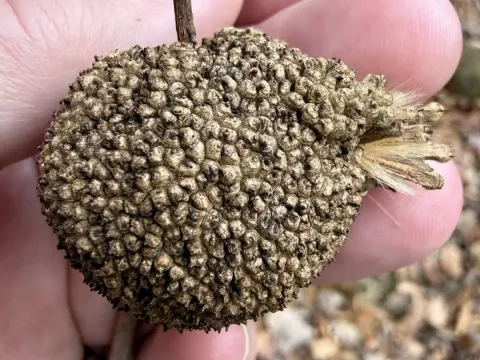
Platanus
Platanus L.
Platanus (Platanus L.), commonly known as the plane tree, belongs to the family Platanaceae. These large, deciduous trees are native to temperate and subtropical regions of the Northern Hemisphere, often found naturally along riverbanks and moist alluvial plains.
What the section contains


Platanus
Cultivation requires deep, fertile, and well-drained soils. Plane trees are notable for their moisture-loving nature, thriving best where the water table is accessible, yet they require sufficient soil aeration to prevent root suffocation.
Regarding climate, Platanus species are generally heat-tolerant and require a sufficient growing season to reach maturity. While some species show cold hardiness, young specimens often need protection against frost to ensure survival and consistent growth.
Agronomic management focuses on consistent irrigation during the establishment phase and proper pruning to maintain the structural integrity of the crown. Soil management involving mulching helps retain moisture and promotes healthy root development.
The economic value of Platanus is significant. It is widely used in urban landscaping due to its pollution tolerance and in the timber industry, where its wood is highly prized for furniture, cabinetry, and flooring due to its durability and unique grain.
Platanus trees are susceptible to several significant fungal and bacterial diseases that can affect both ornamental and forestry stands. Anthracnose is particularly prevalent, causing dieback of shoots and leaves during damp spring conditions.
Root system health is frequently threatened by pathogens such as Phytophthora root rot and Armillaria (rhizomorph) root rot, which can prove fatal if soil conditions are poorly managed. Proper drainage is essential to mitigate these risks.
Bacterial canker presents a chronic threat to the trunk and main branches. Once established, this pathogen is difficult to eradicate and can lead to structural decay and the eventual decline of the entire tree.
Other notable concerns include Fusarial wilts and Mycosphaerella leaf spot, which reduce the photosynthetic capacity of the tree. Furthermore, soil-borne pests like root-knot nematodes can severely hinder the nutrient uptake of young plantations.
Integrated pest management, including sanitation and chemical treatments, is vital for maintaining health. Common diseases include:
- Anthracnose
- Rhizoctonia
- Phytophthora root rot
- Root-knot nematode
- Mycosphaerella leaf spot
- Bacterial canker
- Fusarium