
Oriental plane
Platanus orientalis L.
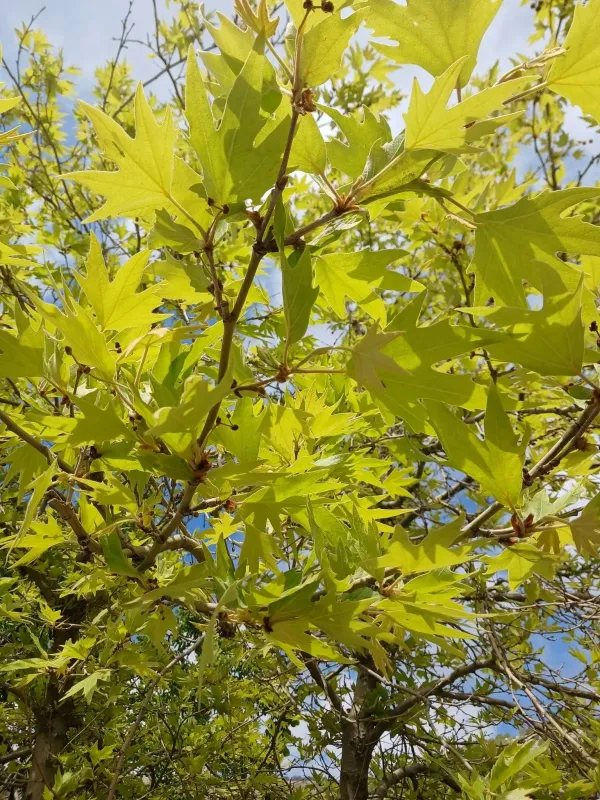
Description
Sowing dates
The propagation of the Oriental plane (Platanus orientalis) is commonly achieved through seeds, which require a cold stratification process to overcome dormancy. Seeds are collected from mature globose fruits in late winter and sown in well-drained, nutrient-rich nursery beds during early spring.
Vegetative propagation via hardwood cuttings is also practiced to maintain specific plant characteristics. These cuttings are taken during the dormant season and kept in a moist, controlled environment to encourage root development before being transferred to outdoor plots.
When sowing in nurseries, spacing is critical to ensure that each seedling receives adequate light and airflow. Young plants should be moved to their permanent location after 2-3 years of growth when the root system has sufficiently developed to handle transplanting stress.
Fertilization regimes in the nursery should focus on balanced nitrogen inputs to support vigorous vegetative growth. However, over-fertilization should be avoided to prevent the development of soft, frost-susceptible tissues before the onset of the first winter.
Proper irrigation during the germination phase is vital, as the seeds are highly sensitive to moisture fluctuations. Using organic mulch around the base of the seedlings helps maintain soil moisture and regulates temperature fluctuations throughout the growing season.
Growing requirements
Platanus orientalis is a robust deciduous tree belonging to the Platanaceae family, known for its longevity and imposing size. It thrives in temperate climates with long, warm growing seasons and prefers deep, alluvial, and moist soils found near water bodies.
While the tree is highly adaptable, it reaches its maximum growth potential in sites with neutral to slightly alkaline soil pH. It is generally tolerant of a wide range of soil types, provided that they are deep enough to accommodate its extensive root system and have good drainage.
Full sun exposure is essential for the healthy development of the tree's canopy. In shaded environments, the Oriental plane tends to grow sparse, weak branches, which significantly diminishes its structural integrity and ornamental value over time.
The tree demonstrates excellent resistance to urban stressors, including air pollution and compacted soils. This makes it a preferred choice for parks, wide avenues, and urban forestry projects where environmental conditions may be harsh for other species.
Although mature trees are drought-tolerant, consistent watering is highly recommended during the establishment phase. Once the root system is deep and well-established, the Oriental plane becomes a low-maintenance, reliable long-term landscape feature.
Main diseases and pests
Anthracnose is the most common fungal disease affecting the Oriental plane, particularly in cool and wet spring conditions. It causes necrosis on leaves and dieback of young shoots, requiring proactive fungicide treatments to protect the tree’s overall health.
The sycamore lace bug is a major insect pest that feeds on the undersides of the leaves, leading to chlorosis and premature leaf drop. Management strategies include both biological control methods and the timely application of systemic insecticides.
Root rot fungi can become a problem if the tree is planted in heavy, poorly drained clay soils. Ensuring proper site preparation with adequate drainage systems is the most effective way to prevent these soil-borne pathogens from compromising the tree.
Powdery mildew may occasionally impact young saplings in nursery settings with poor air circulation. Regular thinning and the use of resistant stock help minimize the spread of this surface fungus throughout the growing area.
- Monitor for leaf spots during the spring season.
- Maintain proper spacing for better air circulation.
- Sanitize pruning tools between different trees to prevent cross-contamination.
- Avoid over-watering in areas with poor drainage.