
London plane
Platanus x hispanica Mill. ex Münchh.
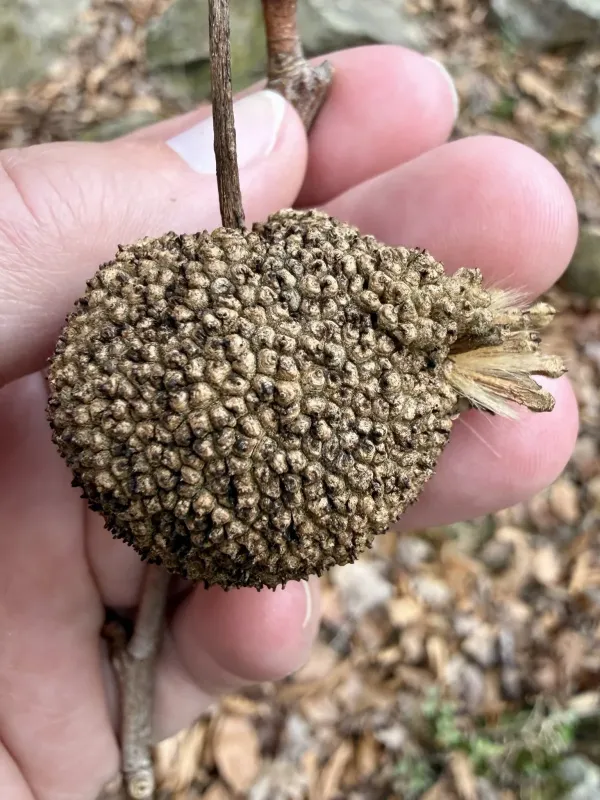
Description
Sowing dates
The London plane is a large, deciduous tree belonging to the Platanaceae family, widely known for its exceptional hybrid vigor and architectural structure.
Propagation is typically done through cuttings or layering, as this plant is a sterile hybrid and does not produce true-to-type seeds.
The best time to transplant young saplings is during the dormant season, either in early spring before bud break or late autumn after leaf drop.
Adequate space must be provided during planting, as this species can grow to significant heights and widths, making it suitable for parks and wide avenues.
Young trees require protective mulching around the base to conserve soil moisture and prevent competitive weed growth during the establishment phase.
Growing requirements
This species is highly versatile regarding soil types, performing best in deep, moist, well-drained loams that provide ample nutrients for rapid growth.
It is remarkably tolerant to environmental stresses, including air pollution and soil compaction, making it a staple of urban forestry worldwide.
While mature trees exhibit good drought tolerance, regular watering is essential during the initial years to ensure deep root penetration.
Sun exposure is a critical factor for the health of the tree; it requires full sun to maintain its dense foliage and vigorous annual growth rate.
Providing sufficient spacing from infrastructure is vital, as the massive root system can potentially impact sidewalks or underground utilities over time.
Main diseases and pests
Anthracnose remains the most significant threat, causing leaf blight and twig dieback, especially during cool and wet springs that favor fungal growth.
Canker stain disease, caused by specific fungi, is a severe threat that can lead to vascular wilting and eventually the death of the entire tree.
Pests such as lace bugs can cause aesthetic damage by feeding on leaf tissue, resulting in chlorotic spots and premature leaf shedding.
Integrated pest management, including pruning affected branches and applying fungicides, is necessary to mitigate the spread of persistent fungal infections.
Regular monitoring of the bark and canopy is recommended to identify signs of stress, such as lesions or localized wilting, early in the growing season.