
Pinus densata
Pinus densata
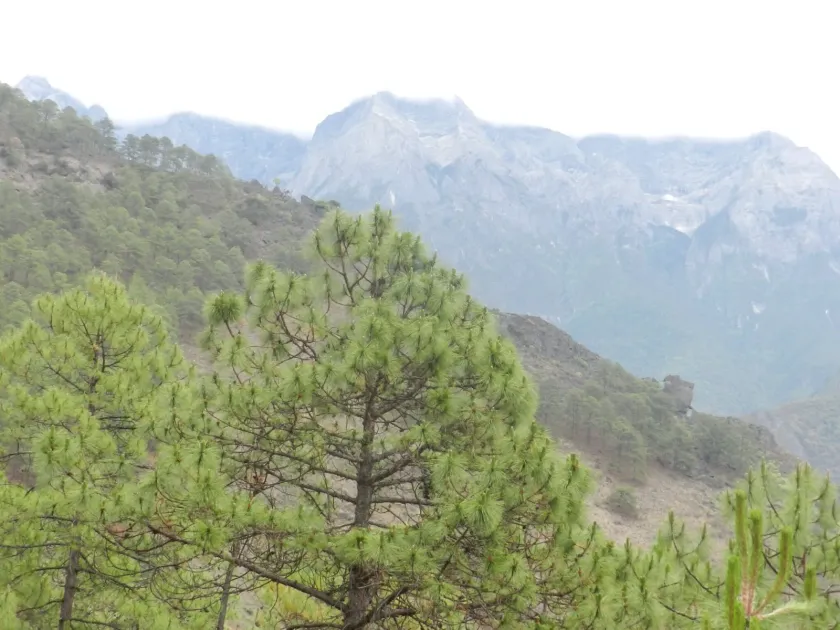
Description
Sowing dates
Sowing of Pinus densata seeds is primarily carried out in the spring, once soil temperatures reach 10–12 degrees Celsius. To ensure high-quality planting material, the seeds undergo a stratification process lasting 30–60 days.
In forest nurseries, seeds are sown in prepared beds at a depth of no more than 1–2 centimeters. It is crucial to maintain optimal substrate moisture during the germination phase while avoiding waterlogging, which can be detrimental to young seedlings.
The sowing density depends on the purpose of the crop: lower densities are preferred for reforestation efforts, whereas higher densities are used for decorative or ornamental purposes, with subsequent thinning or transplanting.
The optimal time for transplanting seedlings into the field is early spring, before active sap flow begins. Autumn planting is also permissible, provided it is completed at least a month before the onset of persistent frosts.
For industrial cultivation, it is essential to remember that Pinus densata prefers moderate light levels. Therefore, a spacing of at least 2–3 meters between rows should be maintained to ensure the healthy development of the root system.
Growing requirements
Pinus densata belongs to the Pinaceae family and is endemic to the high-altitude regions of southwestern China. It has evolved to thrive in mountainous environments characterized by cool temperatures and variable atmospheric humidity.
The species has moderate soil requirements, growing successfully in rocky, sandy loam, and well-drained soils. It reacts negatively to waterlogged conditions and heavy clay soils with poor aeration.
The tree exhibits high frost resistance and an ability to withstand harsh mountain conditions, making it a promising candidate for reforestation in regions with similar climates. It requires open spaces and does not tolerate heavy shading.
In its natural habitat, Pinus densata prefers mountain slopes with adequate solar radiation. When introduced to new regions, it is important to select sites protected from strong winds, which can damage young needles and cause trunk distortion.
For optimal growth, the species requires moderate but consistent precipitation. In arid regions, it is necessary to provide drip irrigation, especially during the first 3–5 years following planting.
Yield
The commercial use of Pinus densata is primarily focused on the production of high-quality timber, which is noted for its density and high resin content. The rate of biomass accumulation is strictly dependent on site conditions and planting density.
Under optimal conditions, Pinus densata forms a straight trunk with minimal lower branching, which significantly increases the commercial value of the wood. The harvest cycle typically ranges from 60 to 80 years, depending on management intensity.
The timber of this species is widely used in construction, furniture manufacturing, and as a raw material for the pulp and paper industry. Its structural properties provide excellent resistance to decay and mechanical wear.
Beyond timber, Pinus densata is appreciated in landscape design for its ornamental value. It integrates well into rock gardens, alpine landscapes, and forest parks, providing year-round greenery and aesthetic appeal.
The seed yield from managed seed orchards allows for large-scale reforestation efforts, which play a vital role in strengthening local ecosystems and preventing erosion on mountainous terrain.
Main diseases and pests
The greatest threats to this species are fungal diseases, such as needle rust and stem rot. High humidity and overcrowding in plantations often facilitate the spread of infections by impeding crown ventilation.
Insect pests, including pine silk moths and various species of bark beetles, pose a significant risk. These insects can cause critical damage to both young saplings and mature trees during periods of environmental stress.
To prevent the spread of pests, regular sanitary logging and the removal of infected specimens are necessary. The use of biological pest control methods is recommended to reduce the chemical impact on forest ecosystems.
Trees weakened by nutrient deficiencies or drought are more susceptible to secondary pest attacks. Fertilization with mineral nutrients helps boost the tree's immune system and increases its overall resistance to pathogens.
Preventative care includes monitoring the bark and needle condition throughout the spring and summer. Early detection of infection clusters is essential to localize outbreaks and prevent widespread damage to the forest stand.