
Nelson pine
Pinus nelsonii
Description
Growing requirements
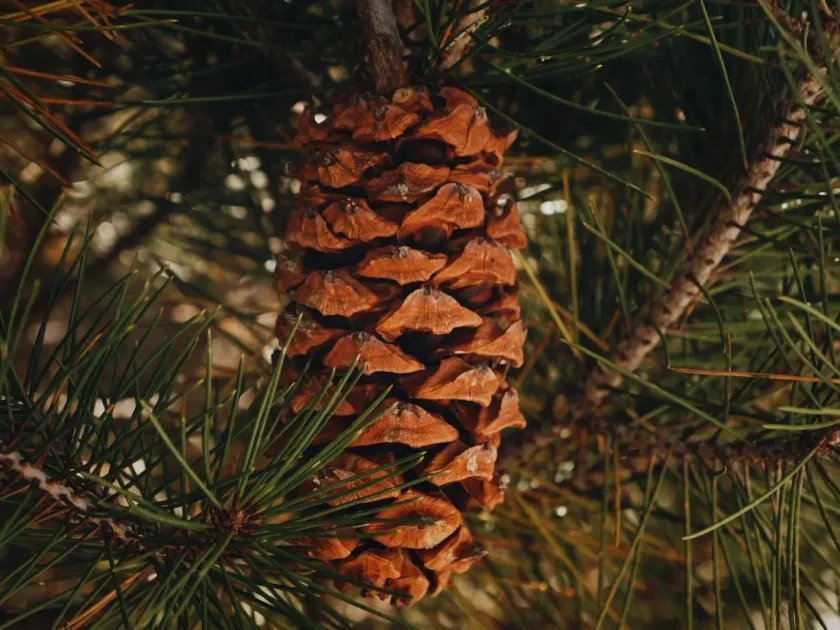
The Nelson pine (Pinus nelsonii) is a rare evergreen conifer belonging to the Pinaceae family. Endemic to the semi-arid mountain ranges of northeastern Mexico, this species is highly specialized to grow in harsh, limestone-rich rocky terrains at elevations between 1800 and 2500 meters.
Cultivation of this species requires mimicking its native environment. It demands full sun exposure and extremely well-drained, alkaline soils. Unlike many commercial pines, the Nelson pine cannot survive in waterlogged or heavy clay conditions, as its root system is highly susceptible to hypoxia and decay.
Climate requirements for this species include mild, dry winters and temperate summers. It is not cold-hardy in severe frost zones and thrives best in Mediterranean-style climates where there is a clear distinction between the growing season and the dormant period.
The tree exhibits a slow growth habit, which is a defining botanical characteristic that makes it unsuitable for rapid timber production but highly desirable for botanical gardens and specialized landscaping. Proper site selection is vital since the pine does not respond well to transplanting once established.
In terms of agricultural maintenance, soil structure is more important than nutrient density. The use of organic mulches that provide slow-release nutrients while maintaining soil permeability is recommended, ensuring that the root zone remains airy and free of stagnant moisture.
Main diseases and pests
Root rot caused by Phytophthora species is the most significant threat to the Nelson pine. It typically occurs when the soil moisture is not managed correctly or when drainage is inadequate, leading to the rapid decline and death of the plant in susceptible garden settings.
Needle cast diseases, often triggered by prolonged periods of leaf wetness and poor airflow, can damage the crown. It is essential to ensure that trees are spaced appropriately to allow for natural wind movement, which naturally dries the foliage and reduces the risk of fungal spores settling.
Insects like bark beetles and aphids may attack trees that are already stressed by environmental factors. Regular monitoring of the bark and needle clusters is necessary to detect early infestations before they lead to structural damage or the introduction of secondary pathogens.
Winter damage from heavy, wet snow or freezing rain can break the brittle branches of young specimens. Protecting the saplings with temporary support structures during the first few years of growth is a standard practice in regions where winter precipitation patterns are unpredictable.
Chemical control should be used judiciously. Broad-spectrum pesticides can eliminate beneficial predatory insects that naturally control pest populations. Integrated pest management (IPM) strategies, such as biological control and habitat maintenance, are preferred for the long-term health of this rare species.