
American larch
Larix laricina (Du Roi) K. Koch
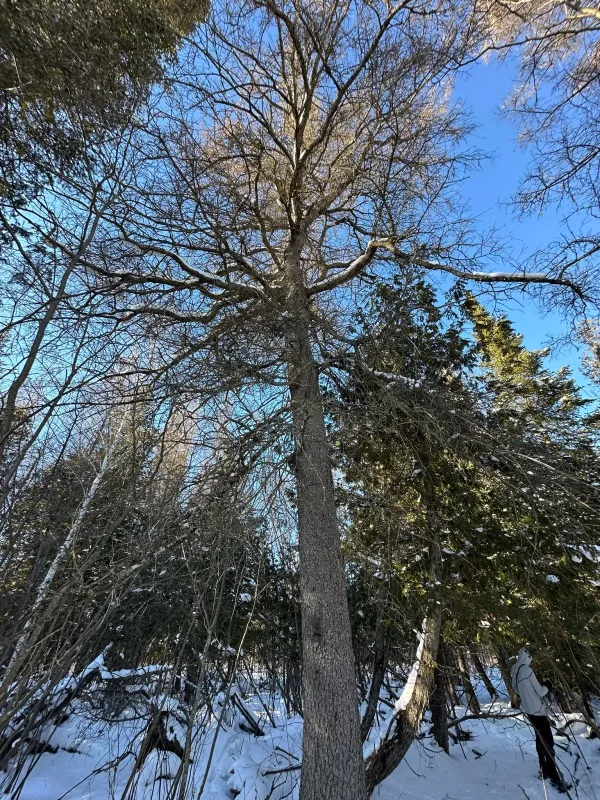
Description
Sowing dates
Seeds of the American larch require a cold stratification period of several weeks to mimic natural winter conditions, which significantly improves germination rates before spring sowing.
Sowing in forest nurseries is typically performed in prepared seedbeds, where seeds are covered with a thin layer of soil, not exceeding 1 cm in depth, to ensure optimal contact.
Consistent soil moisture must be maintained throughout the germination phase, as young seedlings possess a shallow root system susceptible to rapid desiccation.
In modern silviculture, container-grown seedlings are increasingly preferred due to their higher survival rates and easier handling during the planting process on rugged terrain.
Spring is the ideal season for transplanting seedlings, ensuring they establish a robust root system before the onset of the next winter’s dormant period.
Growing requirements
The American larch, a member of the Pinaceae family, is renowned for its remarkable cold tolerance and its ability to thrive in extreme northern environments.
Unlike most other conifers, this species is uniquely adapted to wet, swampy soils and bogs, making it an excellent candidate for reforesting saturated landscapes.
It is an obligate heliophyte, meaning it requires full sunlight to achieve optimal growth rates; survival and vigor drop significantly under canopy shade.
The species prefers acidic, moist mineral soils but displays high adaptability to a wide range of soil textures, including peat-rich substrates.
Adequate air circulation and high humidity levels are essential during the growing season to prevent heat stress and maintain the vitality of the foliage.
Yield
The American larch is valued for its dense, rot-resistant wood, which is utilized for poles, ties, construction, and high-quality lumber production in many regions.
Yield production is maximized through disciplined stand management, including pre-commercial thinning, which concentrates growth on the most vigorous stems.
Rotation ages typically range from 60 to 80 years for timber harvesting, although the species can provide ecological benefits much earlier in its life cycle.
Yield data is highly dependent on site quality; while the tree tolerates wet sites, its maximum volumetric growth is achieved on well-drained, nutrient-rich soils.
Beyond timber, the species is frequently used in land reclamation projects to stabilize difficult, water-logged soil conditions in post-industrial zones.
Main diseases and pests
Larch needle cast and various rust fungi represent the most significant pathological threats, particularly in areas with poor ventilation and stagnant air.
Insects such as the larch casebearer and various sawfly species are known to cause significant defoliation, which can reduce growth increments if left unchecked.
Winter damage from small mammals stripping the bark is a common concern in young plantations, necessitating the use of protective barriers or repellents.
- Implementation of regular health inspections to detect early symptoms of decay.
- Strategic thinning to promote airflow within the stand.
- Removal of infected debris to minimize the buildup of pathogen populations.
Integrated pest management strategies are crucial to maintaining forest health, ensuring that the ecological balance is preserved without relying solely on chemical treatments.