
Vilmorin fir
Abies vilmorinii
Description
Growing requirements
The Vilmorin fir (Abies vilmorinii) is a distinctive hybrid conifer belonging to the Pinaceae family. It is a natural cross between the Spanish fir (Abies pinsapo) and the Greek fir (Abies cephalonica), known for its unique aesthetic and structural characteristics.
This species thrives in locations with partial sun to full sun exposure, requiring rich, well-draining soil. It is sensitive to waterlogged conditions, making proper soil preparation and drainage systems essential for long-term health in garden settings.
The climate requirements include moderate temperatures and protection from harsh, drying winds. While relatively hardy, young specimens benefit from shelter during the first winters to prevent cold damage to developing branch structures.
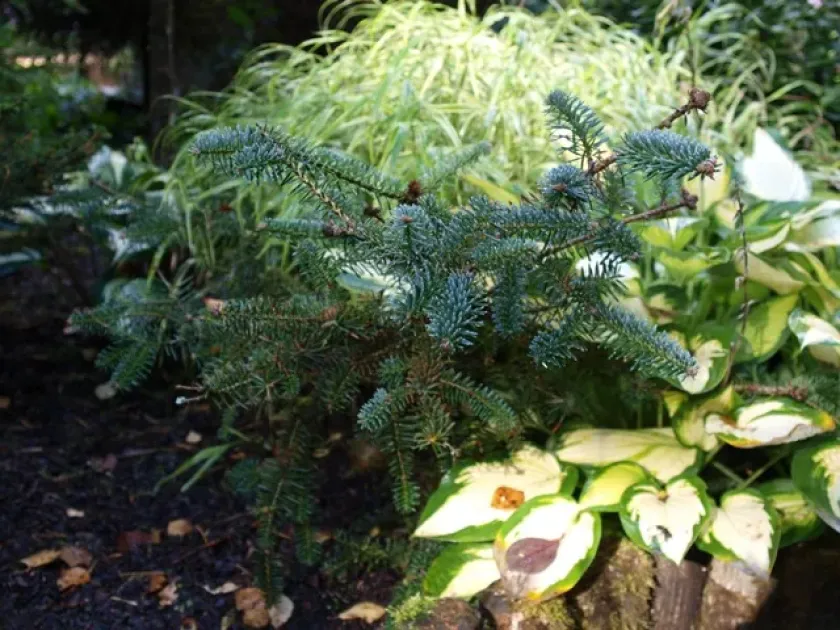
Botanically, the tree is noted for its compact, conical habit and dense foliage. The needles are firm and often display a slight bluish or glaucous tint, which contributes to its high value as an ornamental plant in botanical collections and residential landscapes.
Routine maintenance involves consistent watering during dry spells and applying organic mulch around the base to conserve soil moisture. The tree generally does not require extensive pruning, maintaining its natural shape with minimal intervention.
Main diseases and pests
The Vilmorin fir can be susceptible to aphids and woolly adelgids, which often manifest as white, waxy secretions on the needles. Early detection and application of appropriate horticultural oils or insecticides are recommended.
Fungal issues, particularly needle cast diseases (Lophodermium), may occur in environments with poor air circulation and excessive humidity. Maintaining proper spacing between trees is a critical cultural practice to mitigate these risks.
Rust diseases affecting the needles can cause significant discoloration and foliage loss if left untreated. Fungicidal treatments should be applied at the first signs of symptoms during the early growing season.
Root rot is a common threat caused by soil pathogens in poorly drained areas. Ensuring the planting hole is properly amended with gravel or organic matter can prevent the onset of these devastating conditions.
Spider mites may occasionally infest the tree, especially during hot, dry summer months. Regular overhead watering or misting can help prevent mite populations from reaching damaging levels.