
Flaky fir
Abies squamata
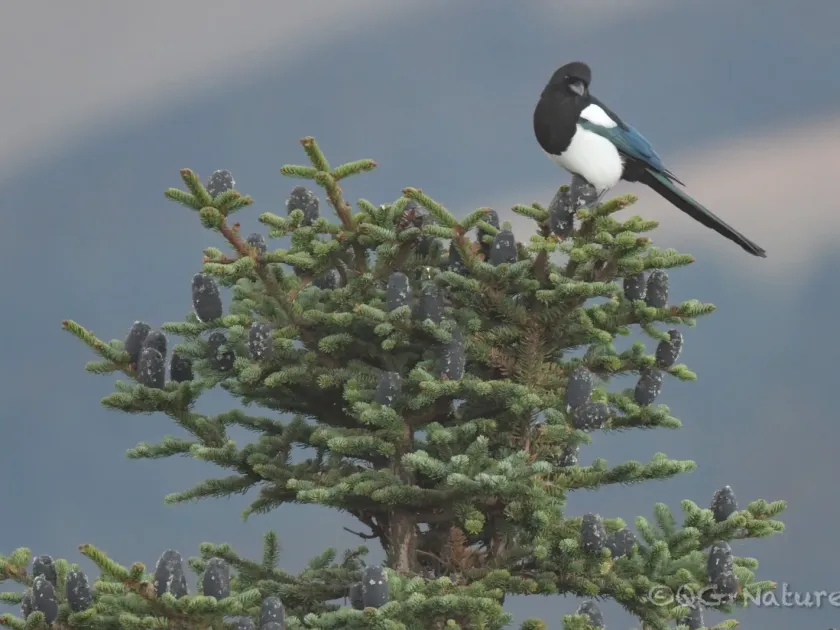
Description
Sowing dates
Propagation of Abies squamata is primarily achieved through seeds harvested from cones before they begin to disintegrate. Proper timing of harvest is critical to ensure high viability of the seed.
Seeds require a period of cold stratification for optimal germination. Placing seeds in a cold, moist environment for 60 to 90 days mimics natural winter conditions and breaks seed dormancy.
Sowing should be performed in a well-drained, acidic substrate. Light coverage with fine soil or pine needles helps maintain moisture and protects the seeds from drying out during the germination process.
Seedlings need protection from intense direct sunlight during their first growing season. Shade cloth or natural canopy cover is necessary to prevent sunscald and seedling mortality.
Regular monitoring of seedling development is essential for disease management. Young firs require stable temperatures and moderate air circulation to thrive during the early stages of life.
Growing requirements
The Flaky fir, a member of the Pinaceae family, is native to the high-altitude forests of Western China. Its distinct bark, which peels in paper-like layers, gives it unique ornamental value.
This species thrives in cool, humid climates characteristic of alpine ecosystems. It requires consistent soil moisture and does not tolerate prolonged drought or heat stress well.
Well-drained, acidic, and humus-rich soils are ideal for the development of the Flaky fir. It is sensitive to soil compaction, which can impede root respiration and water uptake.
In terms of management, the species is relatively slow-growing. Site selection should favor north or east-facing slopes in temperate regions to protect the tree from excessive midday heat.
Fertilization should be handled with caution, as high levels of nitrogen can cause rapid, succulent growth that is susceptible to frost damage and pest infestation.
Main diseases and pests
Root rot caused by Phytophthora species is a major threat in poorly drained soils. Ensuring proper drainage is the most effective preventative measure for long-term tree health.
Needle cast diseases, caused by various fungi, can result in significant needle drop. These usually occur when air circulation is poor, leading to prolonged leaf wetness.
Sap-sucking insects like adelgids and spider mites are common pests that target younger firs. Regular inspections of the undersides of the needles can help in early detection.
Bark beetles may attack stressed or damaged trees. Maintaining overall tree vigor through appropriate water and nutrient management is the primary defense against such infestations.
If chemical interventions are necessary, targeted applications of insecticides or fungicides should be applied according to local agricultural regulations to minimize environmental impact.