
Sacred fir
Abies religiosa
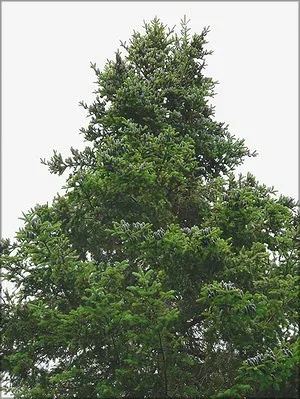
Description
Growing requirements
The Sacred fir (Abies religiosa) belongs to the Pinaceae family and is native to the high-altitude cloud forests of Mexico and Guatemala. It is known for its majestic appearance and dense, dark green foliage.
Cultivation of this species requires deep, fertile, and well-drained soils. It thrives best in regions with a cool, humid climate and cannot tolerate stagnant water, which often leads to root rot issues.
Optimal growth occurs at high elevations where the tree is protected from extreme temperature fluctuations and excessive drought. Shade management is crucial during the initial sapling development phase.
Agrotechnical practices should focus on maintaining consistent soil moisture and using mulching to protect the shallow root system from extreme temperature swings.
Soil pH should ideally be slightly acidic to neutral to ensure the best nutrient uptake and overall plant vigor, which is essential for long-term survival in forest plantations.
Yield
The wood of the Sacred fir is recognized for its utility in construction and the production of paper pulp. Industrial forestry values the species for its rapid growth rate under optimal environmental conditions.
In addition to timber, the tree is highly sought after as a commercial Christmas tree. Its symmetrical shape and long-lasting needles make it a premium product in the winter holiday market.
The yield of high-quality timber depends on the density of the planting and the implementation of systematic silvicultural practices, including pruning and thinning.
Plantation management emphasizes the selection of elite genetic stock to maximize height growth and the straightness of the trunks in commercial wood production sites.
Economic returns are maximized when harvest cycles are carefully planned based on the local climate and specific market demand for Christmas trees versus structural timber.
Main diseases and pests
Sacred firs are susceptible to various fungal pathogens, particularly in plantations where air circulation is restricted or humidity levels are excessively high throughout the year.
Pests such as aphids and scale insects represent a persistent threat to younger trees, often causing stunting and discoloration of the needles if left untreated.
Environmental stress, including irregular rainfall patterns, makes the trees increasingly vulnerable to bark beetle infestations, which can decimate entire stands if detected late.
Effective management involves proactive monitoring and the application of integrated pest management (IPM) strategies to maintain the health of the stand without harming the ecosystem.
Preventive measures include maintaining proper spacing between individuals and regular removal of dead or diseased biomass to prevent the spread of infections.