
Min fir
Abies recurvata
Description
Growing requirements
The Min fir (Abies recurvata) is a rare coniferous evergreen species belonging to the Pinaceae family. Native to the mountainous regions of Sichuan, China, this tree thrives in high-altitude environments characterized by cool temperatures and significant precipitation.
Cultivation of this species requires deep, fertile, and well-drained soils that mimic its natural mountainous habitat. It is essential to ensure that the site has optimal moisture levels, as the tree is sensitive to both prolonged drought and waterlogged root zones.
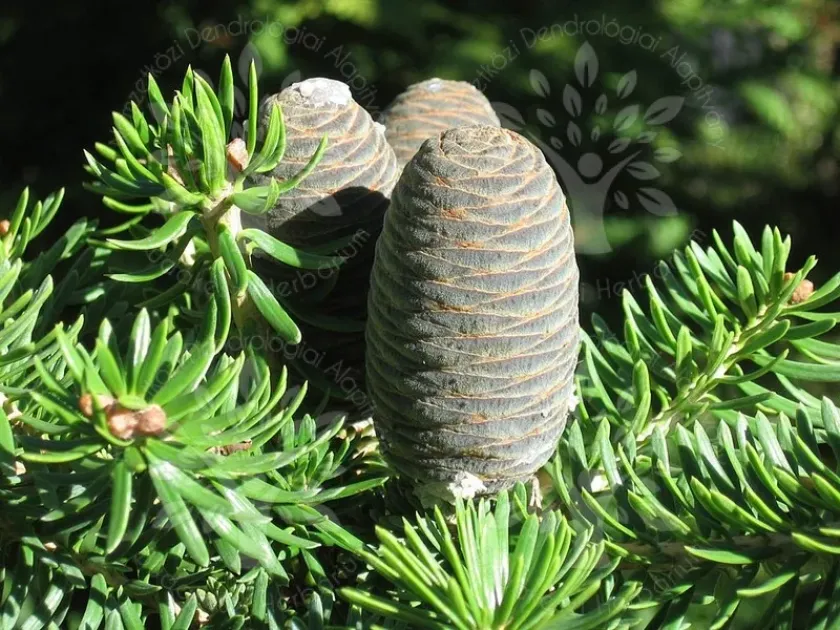
Botanically, Abies recurvata is distinguished by its sharp, recurved needles and unique cones with protruding, reflexed bract scales. These features make it a prized specimen for botanical gardens and arboretums focused on preserving rare gymnosperm species.
In terms of хозяйственное usage, the Min fir is primarily cultivated for ornamental purposes. Its structural beauty and evergreen foliage provide high aesthetic value, although its growth rate is relatively slow compared to other common fir species in temperate climates.
Successful planting requires selecting locations with protection from harsh, dry winds and excessive heat. The tree performs best in regions where atmospheric humidity remains relatively high, supporting its natural physiological needs for consistent moisture uptake.
Main diseases and pests
Common fungal diseases such as needle cast and rust represent the most significant threat to the Min fir. These conditions typically develop in stagnant air or environments with poor sanitation, necessitating active management of the surrounding space.
Insect pests including woolly aphids and spider mites are frequent invaders that target the foliage. Infestations lead to reduced photosynthesis and can severely degrade the tree's visual appeal if left untreated during the active spring growth phase.
Integrated pest management strategies are recommended, utilizing a combination of biological controls and targeted systemic pesticides. Monitoring the tree during dry spells is crucial, as mites are particularly active in warm, dry weather conditions.
Root rot, often caused by Phytophthora or Pythium species, remains a primary concern in poorly drained landscapes. Proper site preparation and the addition of organic matter to improve soil structure can help minimize the risk of root-related complications.
Regular maintenance, including the removal of dead or dying branches, helps sustain the tree's health and vigor. By adhering to strict horticultural standards, growers can ensure the longevity and decorative value of this rare fir species.