
Khingan fir
Abies nephrolepis
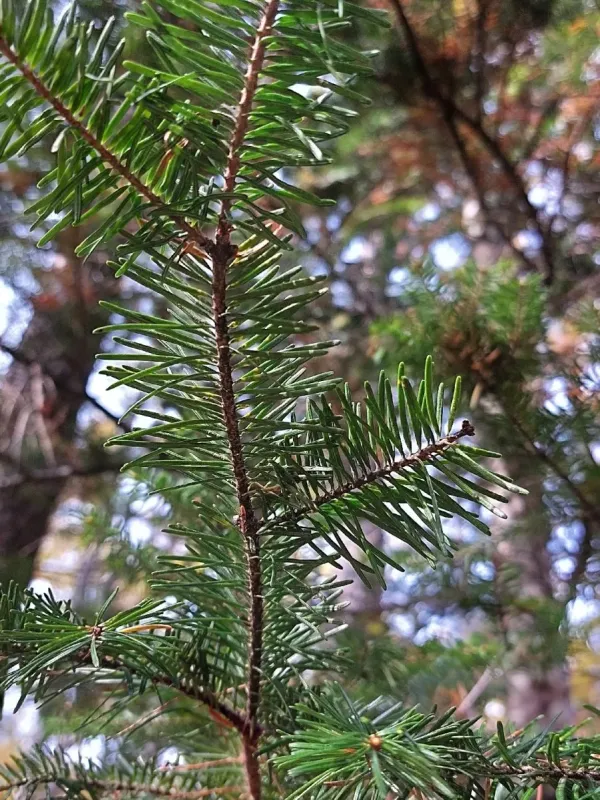
Description
Growing requirements
The Khingan fir (Abies nephrolepis) belongs to the Pinaceae family. It is an evergreen coniferous tree native to the Far East, Korea, and Northeast China. This species is highly valued for its adaptation to mountainous environments and cool, moist climates.
The tree is characterized by a narrow, conical crown and smooth, gray bark that becomes fissured with age. Its needles are flat, dark green on top with two conspicuous stomatal bands underneath. These features make it a popular choice for reforestation and cold-climate landscaping.
Cultivation requires well-drained, fertile soil. The Khingan fir does not tolerate waterlogging or prolonged drought. Optimal sites should provide adequate air circulation, as high humidity combined with stagnant air can trigger fungal diseases, impacting the health and vitality of the stand.
Agronomic practices for this culture emphasize the importance of early growth stages. Seedlings should be grown in protected nurseries with controlled light and moisture levels. Young plants are susceptible to spring frost and require mulching to maintain soil moisture and temperature stability.
The economic utility of the Khingan fir is significant. It is used in the timber industry for light construction, pulp production, and as an essential source of terpene-rich oils. It also serves as a critical component in environmental protection, helping to stabilize mountain soils.
Main diseases and pests
Major phytosanitary threats include needle cast diseases and rust fungi, which are common in dense, high-humidity plantations. Proper spacing and thinning of trees are essential silvicultural techniques to minimize the risk of infection and promote healthy crown development.
Insect pests, such as aphids and bark beetles, pose a direct threat to the tree's health. Integrated Pest Management (IPM) strategies, including the use of pheromone traps and selective insecticides, are recommended to maintain forest health and prevent large-scale outbreaks.