
Maries fir
Abies mariesii
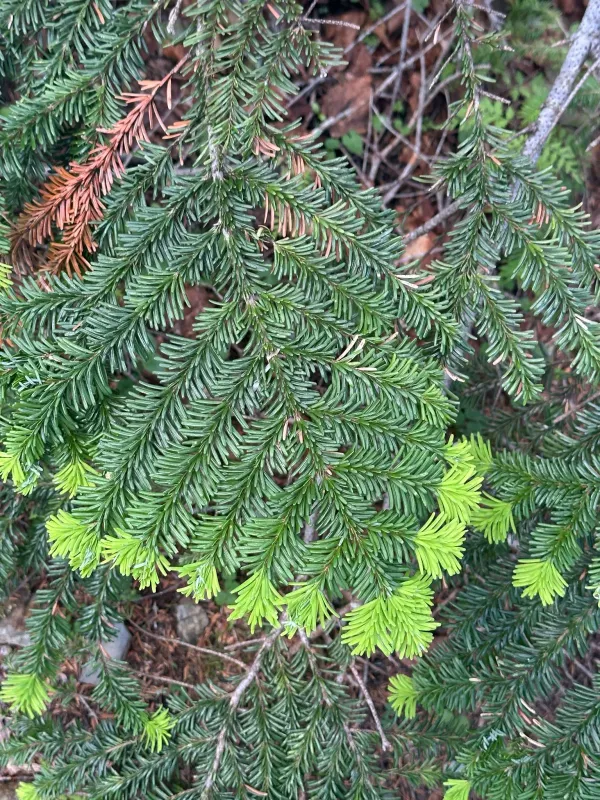
Description
Growing requirements
Maries fir (Abies mariesii) is an evergreen coniferous species belonging to the Pinaceae family. Native to the high-mountain regions of Japan, this fir is widely regarded for its elegant, slender, and conical growth habit.
The botanical structure is defined by its deep green needles featuring two distinct white stomatal bands on the underside, which provide a striking aesthetic contrast. The branches are typically dense, making it a highly desirable ornamental plant for cool, high-elevation gardens.
The species has specific environmental requirements, thriving best in cool, humid climates with protection from intense, direct heat. It is considered an alpine species that prefers constant soil moisture and sheltered positions away from drying winds.
Regarding soil preferences, it requires well-drained, acidic to neutral soil that is rich in organic matter. Proper drainage is critical to prevent root rot, as the species is intolerant of waterlogged conditions and poorly aerated soils.
In terms of agricultural and horticultural use, Maries fir is primarily cultivated for ornamental purposes in botanical collections and high-end landscaping. Its slow growth and compact nature make it a premium choice for rock gardens and small-scale landscape projects.
Main diseases and pests
The species is susceptible to various fungal pathogens, particularly those affecting the roots and needles if environmental conditions are not ideal. Maintaining a healthy balance of soil nutrients and airflow is essential for disease prevention.
Common pests include aphids and spider mites, which can infest the foliage during dry spells. Integrated pest management strategies, such as biological control and targeted applications of acaricides, are often required to maintain tree vigor.