
Manchurian fir
Abies holophylla
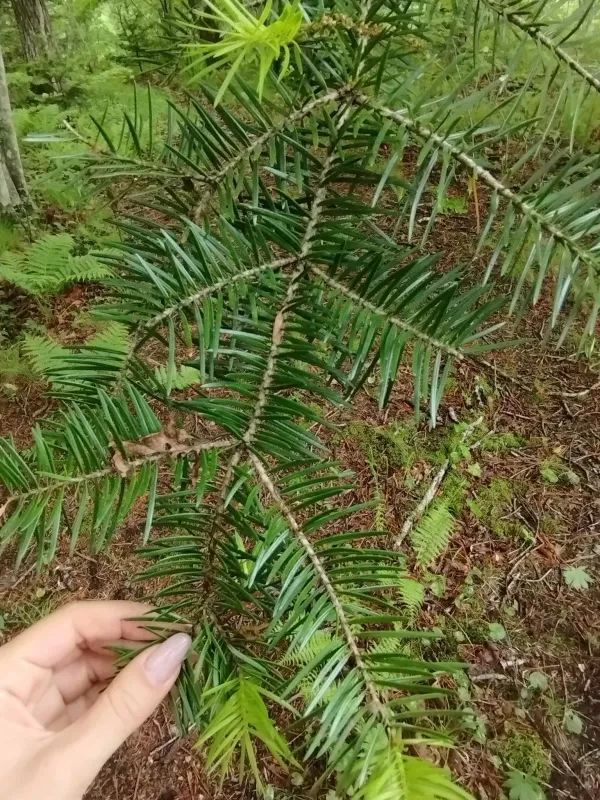
Description
Sowing dates
Sowing seeds of Abies holophylla is best performed in the autumn or early spring, provided the seeds have undergone a period of stratification. Cold stratification at temperatures between 1°C and 5°C for 60 days is crucial to break dormancy and ensure uniform germination.
Seeds should be sown in nursery beds with well-draining, loose soil rich in organic matter. A planting depth of 1-2 cm is ideal, followed by a light mulch layer to maintain consistent surface moisture during the germination process.
Seedlings exhibit slow growth in their first few years, necessitating diligent weed control and protection from direct harsh sunlight. Providing shade during the first two summers can significantly improve survival rates.
Transplanting into the permanent site or a growing-on bed should be done with extreme care. Abies holophylla possesses a sensitive root system, meaning root ball integrity must be maintained during the move.
Biologically, this species belongs to the Pinaceae family and is recognized as the largest conifer in its native range, often reaching impressive heights in stable forest ecosystems.
Growing requirements
The Manchurian fir thrives in areas with deep, fresh, and nutrient-rich soils. It prefers loamy textures and shows a strong intolerance to both waterlogged conditions and extremely dry, sandy sites.
As a shade-tolerant species, it is well-adapted to the understory of mixed forests. However, providing adequate light improves the tree's density and overall vigor during the active growing phase.
Climatic requirements involve moderate humidity and protection from extreme temperature fluctuations. The tree performs best in regions where rainfall is well-distributed throughout the growing season.
Soil pH should ideally be slightly acidic or neutral. Proper drainage is the most critical soil requirement, as the species is highly susceptible to root decay when subjected to persistent water stagnation.
The natural range of Abies holophylla extends through the Primorsky Krai in Russia, Northeast China, and North Korea, where it serves as a keystone species in temperate coniferous forests.
Yield
The primary utility of the Manchurian fir in forestry is the production of high-quality timber. Its wood is valued for construction, interior finishing, and paper pulp due to its strength and straight grain.
Productivity is maximized through strategic spacing in plantations, which allows for optimal individual growth. Regular thinning operations are recommended to promote the development of superior crop trees.
In addition to timber, this fir is an excellent ornamental tree for parks and large landscapes. It provides substantial environmental benefits, including carbon sequestration and soil stabilization.
Seed production is periodic, with mast years occurring every few years. Collecting seeds during these peak years is essential for large-scale reforestation and nursery replenishment programs.
With correct management and site selection, stands of Abies holophylla can demonstrate high yields and sustainable harvests, making it a valuable asset for long-term silvicultural planning.
Main diseases and pests
The Manchurian fir is prone to infestations by various pests, including aphids and gall midges, which can damage the needles and hinder photosynthesis. Early detection through regular monitoring is key to management.
Fungal diseases like needle cast and root rot pose significant risks, especially in poorly ventilated or excessively humid nursery conditions. These pathogens can cause severe defoliation if left untreated.
Abiotic stresses, such as late spring frosts, frequently damage the succulent new growth of young trees. Protecting seedlings during extreme weather events is often necessary for maintaining plantation health.
Integrated pest management (IPM) practices, including the use of targeted fungicides and healthy nursery hygiene, are essential for mitigating damage from both pests and environmental stressors.
Maintaining balanced soil nutrition and avoiding mechanical damage to the bark are critical practices to prevent the entry of opportunistic pathogens that could compromise the tree's health.