
Fabri fir
Abies fabri
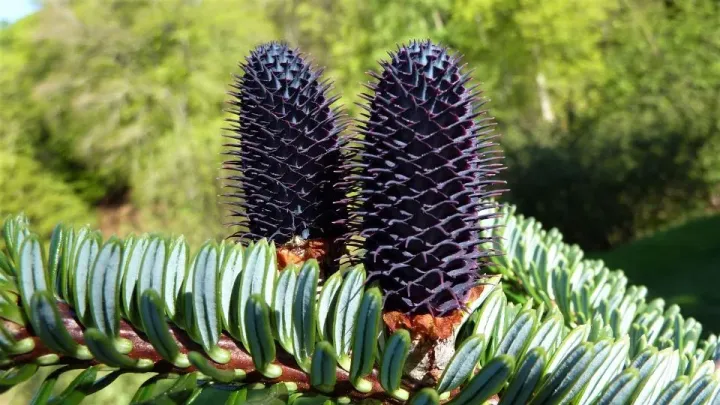
Description
Growing requirements
The Fabri fir (Abies fabri) is a coniferous tree belonging to the Pinaceae family, native to the high-altitude forests of the Sichuan province in China. This species is highly valued for its straight trunk and symmetrical canopy, making it an important component in forest ecosystems and landscape architecture.
To successfully cultivate this species, it is essential to mimic its natural montane environment, characterized by cool temperatures and significant precipitation. It performs best in regions where high atmospheric humidity is maintained throughout the growing season, avoiding arid or heat-stressed conditions.
Soil quality is a critical factor for the healthy development of Fabri fir. It requires deep, fertile, and well-drained soils with an acidic to neutral pH profile. Sandy loam or clay loam soils that provide moisture retention without waterlogging are considered optimal for the root system.
Agronomic management involves periodic monitoring of soil moisture, especially during the establishment phase. While the tree shows shade tolerance during its early years, mature trees require adequate canopy exposure to sunlight to maintain dense foliage and ensure structural health.
The economic utility of Fabri fir is extensive, ranging from reforestation projects aimed at soil stabilization to the production of high-quality timber for construction. Its ornamental value also makes it a popular choice for large-scale park designs in suitable mountainous regions.
Main diseases and pests
Fabri fir can be susceptible to various fungal diseases, such as needle cast or root rot, which are often triggered by improper water management or poor air circulation within the canopy. Maintaining proper spacing between trees is crucial for disease prevention.
Pest pressures primarily include aphids and certain bark beetle species that target stressed or diseased specimens. Integrated pest management practices, such as removing dead wood and promoting biodiversity, are recommended to maintain the long-term vigor of the plantation.