
Durango fir
Abies durangensis
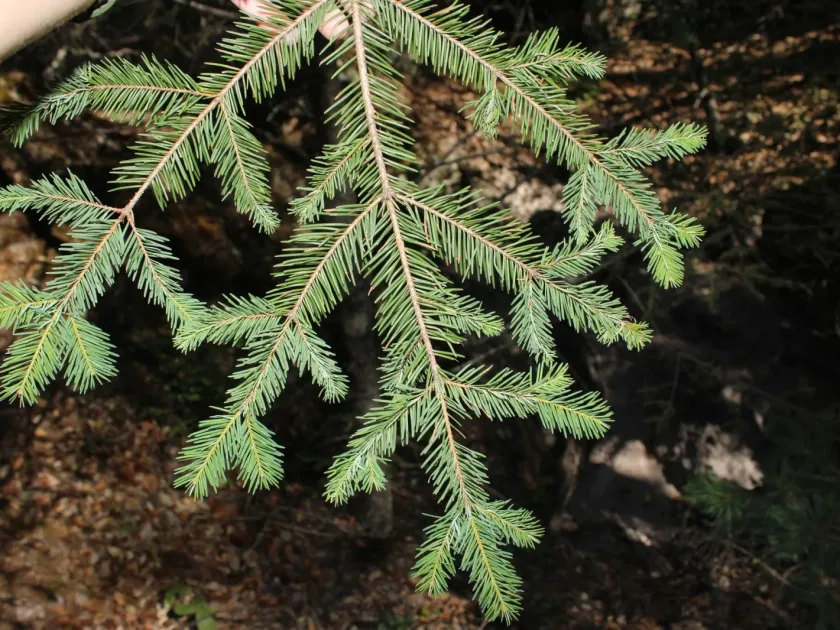
Description
Growing requirements
The Durango fir (Abies durangensis) is an evergreen coniferous species belonging to the Pinaceae family. Native to the high-altitude forests of Mexico, specifically within the Sierra Madre Occidental, this species is a vital component of local montane ecosystems.
Regarding climatic needs, this fir thrives in cool, humid environments with frequent mountain mist. It is adapted to cold winters and mild summers typical of elevations ranging from 2,000 to 3,000 meters, requiring consistent ambient moisture to maintain vitality.
The species prefers deep, well-drained soils that are slightly acidic and rich in organic matter. Soil compaction and waterlogging are major obstacles to growth, as the root system requires significant oxygen exchange to function effectively in its natural range.
Agrotechnical practices involve careful management of light exposure during the seedling stage. Young trees are shade-tolerant and require protection from intense, direct sunlight to prevent desiccation. As they mature, they require more space to accommodate their canopy spread.
Economically, the Durango fir is valued for its wood, which is utilized in local timber production. Furthermore, it serves ecological functions in erosion control and watershed protection, making it a critical species for reforestation projects in its native regions.
Main diseases and pests
Like many fir species, Abies durangensis is susceptible to bark beetle infestations. These insects can cause widespread mortality if forest health is compromised by drought or other environmental stressors, requiring proactive monitoring and management.
Root rot caused by various soil-borne pathogens remains a significant threat, especially in areas with poor drainage. Additionally, fungal infections impacting foliage can occur during unusually wet seasons, necessitating the maintenance of adequate spacing between trees.