
Water gum
Tristaniopsis laurina (Sm.) Peter G. Wilson & J. T. Waterh.
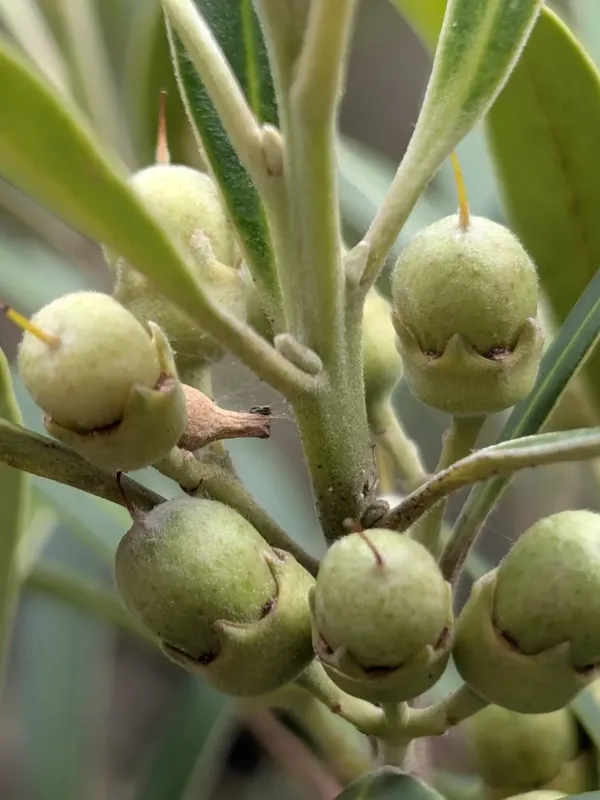
Description
Growing requirements
Water gum, scientifically known as Tristaniopsis laurina, is an evergreen tree belonging to the Myrtaceae family. Native to eastern Australia, this plant is naturally found along creek banks and in rainforest environments, which dictates its need for consistent moisture.
To cultivate this species successfully, it is essential to provide deep, fertile soil that retains moisture but allows for adequate drainage. It thrives best in garden settings where the water table is relatively high or near water features.
Climate adaptation for this tree involves a preference for temperate to subtropical conditions. While it can tolerate light frosts once established, it prefers protection from harsh winds and freezing temperatures to maintain its vibrant, glossy foliage.
Full sun to partial shade is ideal for its growth. When grown in sunny locations, it develops a more compact and dense canopy, which enhances its overall ornamental value as a feature tree in landscape design.
Maintenance practices should focus on mulching around the base to retain soil moisture and providing balanced, slow-release fertilizers during the active growing season to support its vigorous development.
Main diseases and pests
Water gum is widely regarded as a hardy plant with relatively few serious pests or diseases when kept in a healthy environment. However, site-specific issues can occasionally compromise its vitality.
Root rot caused by Phytophthora species is the primary threat if the soil is poorly drained. Ensuring a site with good vertical drainage is the most effective management strategy for this persistent soil-borne pathogen.
Pests such as scale insects may occasionally infest the stems and leaves. These appear as small, bumpy growths and can be treated with horticultural oils or insecticidal soap applications if infestations become heavy.
In humid or stagnant environments, fungal leaf spots might occur. These are usually cosmetic but can be minimized by pruning the inner branches to improve airflow and sunlight penetration through the canopy.
Monitoring the tree for early signs of stress, such as yellowing leaves or stunted growth, allows for quick intervention. Providing appropriate water during peak summer heat is the best defense against environmental stress and subsequent pest attacks.